St. Paul's Ruins & Senado Square: Essential Macau Trail
"Walking through Macau is like stepping through a tear in time, where Portuguese stone meets Chinese spirit in every alleyway."
If you only have a few hours to spare, you cannot afford to wander aimlessly through the winding streets of the Peninsula.
To see the best of the UNESCO World Heritage sites without feeling rushed, you need a strategic route that moves from the grand colonial squares to the quiet, narrow side streets.
Key Takeaways * Focus your walking energy on the Peninsula core (Senado Square to St. Paul's) for maximum historical density. * Use the free hotel shuttles to bridge the gap between the historic center and the modern Cotai Strip.
* Time your visit to include a transition from high-energy sightseeing to a relaxed, authentic meal. * Prepare for high humidity by planning your heavy walking for the cooler morning hours.

Why Walk Macau? Navigating the UNESCO Core vs. Cotai Modernity
I stood at the edge of the Taipa waterfront last Tuesday, looking at the neon skyline of the Cotai Strip, and realized how jarring the transition is between the "new" and "old" Macau. According to World Bank data, Macau recorded international tourist arrivals of 5,897,000 in 2020.
In one direction, you have massive, glittering resorts that feel like a futuristic city built on reclaimed land; in the other, you have the labyrinthine streets of the Peninsula where the history is etched into the very cobblestones.
The "walking core" is located on the Macau Peninsula, where the UNESCO World Heritage sites are clustered tightly together. In contrast, the Cotai Strip is a modern entertainment hub where you move by car or shuttle.
In 2025, the density of visitors in the historic center remains high, making a clear plan essential.
The biggest mistake travelers make is trying to do both in a single afternoon without a plan. To navigate this effectively, you must treat the Peninsula as your museum and Cotai as your base.
The transition between these two worlds is best handled by the free shuttle services provided by major resorts.
These shuttles are the secret to moving between the modern hubs and the ferry terminals or outer districts without spending a fortune on taxis. Understanding this divide is the first step to a successful trip. But how do you actually execute the perfect walk once you hit the cobblestones?

What are the must-see peninsula highlights on a half-day walk? The sun was just beginning to hit the yellow facades of the buildings as I stepped onto the patterned mosaic tiles of Senado Square at 8:30 AM. The air was already warm, but the visual impact of the pastel buildings against the blue sky was worth the heat.
For a perfect half-day, start at Senado Square. This is the heart of the city, where the Portuguese influence is most visible in the sweeping, wave-like pavement. From here, follow the pedestrian paths upward toward the Ruins of St. Paul's.
This sequence is the most efficient way to see the heavy hitters of the UNESCO site.
* Senado Square (Praça do Senado): Spend about 30 minutes here. It is the perfect place to orient yourself and take photos of the colonial architecture. * St. Paul's Ruins: A 10-to-15-minute walk from the square. This facade is the most iconic landmark in Macau. Do not just look at the front; walk through the archway to see the gardens behind it. * Mount Fortress: Just a short climb above the ruins. It offers a panoramic view of the city and the sea, providing context to how the city was once fortified.
If you find yourself with an extra two hours, you can head toward Taipa Village. While it is a different atmosphere than the Peninsula, it offers a beautiful mix of traditional houses and modern charm.
In Taipa, you will find more artisanal crafts and local boutiques compared to the souvenir-heavy shops near the ruins.
The transition from the grand ruins to the quiet side streets is where the real magic happens. But what happens when you want to escape the crowds entirely?
What lies beyond the core in Coloane and nearby gems? I remember sitting in a small, quiet cafe in Coloane, far from the roar of the casinos, feeling as though I had traveled to a different century entirely. The pace of life there is noticeably slower, making it the perfect escape for those who find the city center too overwhelming.
If you have a full day rather than a half-day, you should head to Coloane. It is a much more preserved, tranquil area that contrasts sharply with the bustling energy of Senado Square. It feels like a fishing village that time forgot, characterized by low-rise buildings and quiet coastal walks.
When deciding where to eat, you must distinguish between a quick snack and a cultural experience. In the city center, you might grab a quick egg tart to eat while walking.
In areas like Coloane or the more established parts of the Peninsula, you can find sit-down restaurants serving authentic Macanese-Portuguese fusion.
| Feature | Peninsula Core | Taipa/Cotai | Coloane |
|---|---|---|---|
| Atmosphere | High energy, historic | Modern, luxury, bright | Quiet, traditional, coastal |
| Walking Level | High (steep streets) | Moderate (mostly flat) | Low to Moderate |
| Best For | History buffs | Shopping & Nightlife | Relaxation & Scenery |
Navigating between these zones requires a bit of planning, but the rewards are worth the effort. However, there is a logistical side to this that most travelers overlook until they are already lost in the heat.
Mastering Movement: Getting Around Macau Like a Local
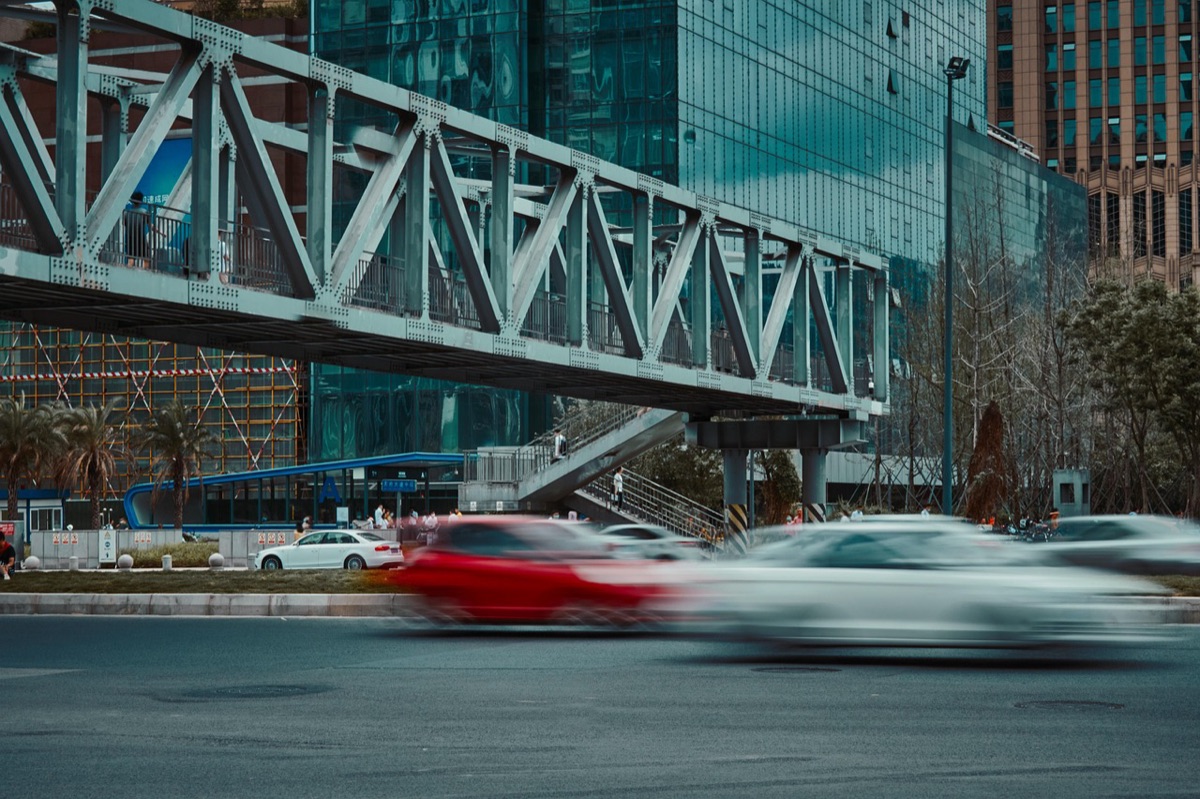
I once watched a group of travelers struggle with a taxi meter in the heat, only to realize they could have taken a free shuttle for the exact same route. In Macau, knowing how to move is just as important as knowing where to go.
The "Free Shuttle Strategy" is your best friend. Most major hotels in the Cotai and Peninsula areas offer complimentary shuttle buses to ferry terminals and major transit hubs. To use them effectively, follow this checklist:
- Identify your starting hotel and its designated shuttle stops. Most large hotels in the Cotai Strip have specific bays for departures.
- Check the frequency. Some shuttles run every 15 minutes, while others are much less frequent. Do not assume a shuttle is waiting just because you arrived at the terminal.
- Use these shuttles to reach the ferry terminals. This is the primary way to move between Macau and Hong Kong via the Macau Outer Harbour or Taipa Ferry Terminal.
When deciding how to arrive in Macau, you generally have three choices: the ferry from Hong Kong, the HZMB bus via the bridge, or flying directly into Macau. In 2026, the HZMB bridge remains a primary route for travelers coming from the mainland.
* Ferry: Fastest and most direct for those staying in the city center. * HZMB Bus: Often cheaper and offers a unique view of the bridge, but can take longer due to border procedures. * Airport/Ferry Transfer: Always check the distance between your arrival point and your hotel to decide if you need a taxi or a shuttle.
Keep in mind that the environment plays a role in your travel ease. The humidity in Macau can be quite high, averaging around 80% annually, which can make walking feel much more taxing than it would in a drier climate.
A well-fed traveler is a happy traveler, and Macau offers some of the best food in Asia.
Beyond Sightseeing: Enhancing Your Visit
The smell of freshly baked custard and toasted pastry often leads travelers straight to the nearest bakery. In Macau, food is not just sustenance; it is a vital part of the cultural identity.
The fusion of Portuguese and Chinese flavors has created a unique culinary category known as Macanese cuisine.
You should look for dishes that use ingredients like coconut milk, turmeric, and peri-peri, blended with traditional Chinese techniques. It is easy to fall into the trap of eating at tourist-centric spots that lack authenticity, so you must be intentional.
* Must-Try Items: * Portuguese Egg Tarts: The flaky, buttery crust and creamy custard are non-negotiable. * African Chicken: A spicy, coconut-based dish that represents the colonial fusion. * Pork Chop Buns: A perfect, hearty lunch option found in local bakeries. * Dining Strategy: For a quick hit of flavor, hit the local bakeries. For a celebratory meal, book a table at a Portuguese restaurant in the Taipa or Peninsula districts.
While the food is incredible, remember that the sheer variety can be overwhelming. It is easy to fall into the trap of eating at tourist-centric spots that lack authenticity.
A Note on Travel Limits It is important to recognize that this walking-heavy itinerary is not for everyone. If you have mobility issues, the steep inclines of the Peninsula and the uneven cobblestones can be difficult to navigate.
In such cases, relying more heavily on taxis or the modern, flat infrastructure of the Cotai Strip is a much more practical choice.
#




Comments 0