Ferry vs Bus: Your Guide to Hong Kong to Macau Travel
"The best way to travel is not the fastest way, but the way that gets you to your first meal without a headache."
Deciding between a ferry and a bus when traveling from Hong Kong to Macau often comes down to a trade-off between time and wallet. If you want to arrive in the heart of the city with minimal friction, the ferry is your premium ticket, whereas the bus offers a budget-friendly gateway via the bridge.
* Ferry vs. Bus: Choose the ferry for speed and central city access; choose the bus for lower costs and scenic bridge views. * The Shuttle Secret: Once you land in Macau, use free hotel shuttles to navigate between the peninsula and the Cotai Strip. * Logistics Matter: Match your transit choice to your luggage situation and your first planned destination.

Choosing Your Transit: Ferry vs. Bus – A Detailed Breakdown
The morning sun hits the glass of the Hong Kong-Zhuhai-Macao Bridge, reflecting a blinding light as a massive bus begins its trek toward the border. You stand at the terminal, looking at the water, wondering if the sea breeze or the highway breeze is worth the extra cost.
According to World Bank data, Macau recorded international tourist arrivals of 5,897,000 in 2020.
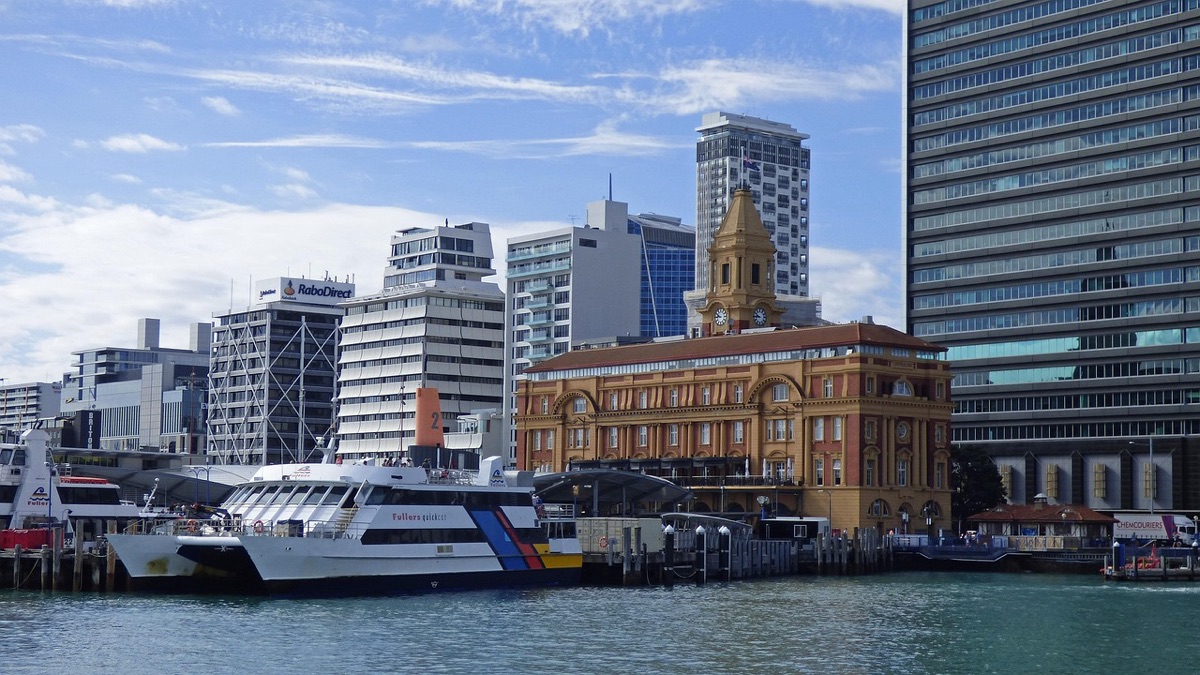
The ferry experience is often the gold standard for travelers wanting to land directly in the heart of Macau. Most ferries depart from Hong Kong Island or Kowloon and dock at the Macau Outer Harbour or Taipa Ferry Terminal.
In 2025, travelers noted that the ferry remains the most efficient way to bypass land-side congestion.
The primary advantage is directness; you bypass the long highway hauls and arrive in central locations. However, schedules can be rigid, and if you miss your boat, you might wait an hour or more for the next one.
The bus experience, primarily utilizing the HZMB (Hong Kong-Zhuhai-Macao Bridge), is the modern way to cross. It is significantly more budget-friendly than the ferry, making it a favorite for backpackers or large groups.
In 2026, as bridge infrastructure has become even more streamlined, the bus remains a high-frequency option.
The downside is the variability of travel time; traffic on the bridge or at border checkpoints can turn a one-hour trip into a much longer ordeal.
To make the decision easier, look at this comparison of the two primary modes:
| Feature | Ferry | Bus (via HZMB) |
|---|---|---|
| Primary Benefit | Speed & Central Location | Low Cost & Modern Infrastructure |
| Typical Travel Time | 60 minutes | 45–90 minutes (including border) |
| Cost Level | Higher ($250–$350 HKD) | Lower ($60–$120 HKD) |
| Best For | Business travelers & luxury seekers | Budget travelers & group tours |
If your goal is the "quickest route" to the historic ruins of St. Paul's or the shops in the Peninsula, the ferry is your winner. If you are traveling on a tight budget and don't mind a bit of extra walking or a local bus transfer after crossing the border, the bus is the smarter financial move.
But what happens once you actually step off the boat or off the bus?
Beyond Transit: How Do I Get to My Hotel?
A heavy suitcase thumps against the tiled floor of the ferry terminal as you navigate through the crowds of travelers. You realize that arriving in a new city is only half the battle; the real challenge is getting from the pier to your hotel.
The "Free Shuttle Strategy" is the ultimate way to maximize your arrival. Most major resorts in the Cotai Strip—the area home to massive luxury hotels—offer complimentary shuttle buses from the ferry terminals and the border checkpoints.
If you arrive at Taipa Ferry Terminal, you can often catch a free shuttle directly to your hotel in Cotai. This effectively turns your transit cost into a "just the ticket" price, as the final leg of your journey is essentially free.
Your choice of arrival mode dictates your first impression. If you take the ferry to the Macau Peninsula, you are steps away from the historic streets and Portuguese-style architecture. If you arrive via the bus at the border, you are likely closer to the modern, neon-lit luxury of the Cotai Strip.
When traveling with heavy luggage, the ferry is often more manageable because the terminals are usually better integrated with local transport or hotel pickups.
If you are traveling light, the bus and the Heung-Zhu-Mao Bridge shuttle system provide a seamless, albeit slightly more complex, transition.
I remember my first trip in late 2025; I arrived at the Taipa terminal with two massive suitcases and realized that while the ferry was faster, the sheer distance to my hotel in the Peninsula meant I had to rethink my entire afternoon.
But how do you plan the perfect day without getting stuck in transit limbo?
Planning Your Day Trip vs. Overnight Stay: What’s the Real Difference?
The sound of a morning bell rings out from a nearby chapel as you check your watch, realizing you only have eight hours before you must head back to Hong Kong. Planning a day trip requires a much tighter grip on your return schedule than an overnight stay.
For a day trip, timing is everything. If you take a morning ferry, you must account for the return leg. It is wise to book your return ferry or bus in advance or ensure you know the exact departure times to avoid being stranded.
Because ferries run on specific schedules, a delay in your sightseeing could result in a missed connection.
For an extended stay, your arrival mode sets the stage for your entire itinerary. If you are staying overnight, you have the luxury of time to explore. You might arrive via the bus to save money, then spend your first evening enjoying the luxury of a high-end hotel.
Integration with local transport is key. If you arrive in the Peninsula, you are in the zone for walking tours of the UNESCO World Heritage sites. If you arrive in Taipa or Cotai, you are positioned for the luxury shopping and themed resorts.
Always check if your hotel's shuttle covers your specific arrival point to avoid paying for expensive taxis.
Wait, there are still logistical hurdles you might not see coming.

Essential Cross-Border Travel Tips: The Do's & Don'ts
You stand at the immigration desk, passport in hand, feeling the slight tension of crossing an international border. It is a momentary pause in your journey, but failing to prepare can turn this transition into a logistical nightmare.
First, always perform a documentation check. Ensure your passport is valid for at least six months and that you have checked the specific visa requirements for both Hong Kong and Macau. While many travelers move between these two easily, requirements can change.
Regarding currency, both Hong Kong Dollars (HKD) and Macanese Pataca (MOP) are widely accepted. In many cases, they are used interchangeably at a 1:1 ratio in local shops.
However, it is always wise to have some local cash for smaller vendors or traditional eateries where card payments might not be common.
Finally, be prepared for the weather. The regional climate can be quite humid, with annual averages often hovering around 80% or much higher. Pack breathable clothing and stay hydrated to ensure the humidity doesn't drain your energy before you even reach your hotel.
To make your transition as smooth as possible, follow this arrival checklist:
- Verify Terminal Location: Confirm if your ferry docks at Macau Outer Harbour (Peninsula) or Taipa Ferry Terminal (Cotai/Taipa).
- Check Shuttle Routes: Before leaving the terminal, locate the specific hotel shuttle stand for your accommodation.
- Prepare Small Change: Have enough local cash to cover any small fees or immediate snacks upon arrival.
- Sync Return Times: If on a day trip, write down your return departure time in your phone immediately upon arrival.
- Coordinate Luggage: If you have more than two large bags, verify if the shuttle can accommodate them or if you need a taxi.






Comments 0