8000 Diners: Discovering Macau's Unique Culinary Heritage
"The scent of garlic and olive oil drifting through cobblestone streets tells a story of a world where the Atlantic met the South China Sea."
Macau is not just a playground of neon and luck; it is a living museum of flavor where Portuguese traditions fused with Cantonese techniques centuries ago. To eat here is to taste a history of maritime exploration and cultural collision.
* Macanese cuisine is a dynamic fusion of East and West, not a mere imitation of European cooking. * True authenticity is found in the balance of spices and local ingredients, rather than in generic tourist menus. * Strategic planning, including the use of free hotel shuttles, allows you to move between historic districts and modern dining hubs seamlessly.

Why is Macanese Cuisine a Unique Blend?
The sun beats down on the pastel-colored facades of Senado Square at 11:00 AM, and the sound of footsteps on stone echoes against the walls. You catch the scent of roasting pork and spices, a smell that feels both familiar and entirely foreign.
This culinary identity was forged through centuries of Portuguese administration and the subsequent blending of local Cantonese and Southeast Asian influences.
While the language and architecture—like the beautiful blue and white *Azulejo* tiles found throughout the city—point to a European heritage, the soul of the food is distinctly local.
The Portuguese brought staples like olive oil, wine, and salt cod, but the local kitchens added chilies, coconut milk, and fermented pastes. This created "Macanese" cuisine, a specific category of food that is distinct from both pure Portuguese and pure Chinese cooking.
It is a delicate balance where the heavy, hearty techniques of the West meet the bright, aromatic profiles of the East.
The scale of this cultural exchange is reflected in the sheer volume of people drawn to this unique intersection. According to World Bank data, Macau recorded international tourist arrivals of 5,897,000 in 2020.
This influx of global travelers ensures that while the traditions remain, the flavors are constantly being refined and shared.
But how do you separate the real history from the commercialized versions sold to travelers?
How can I find authentic Portuguese flavors? As evening falls in the narrow alleyway, you pull a heavy wooden chair toward the table and catch the sharp scent of sea salt in the air.
A waiter in a brightly lit restaurant hands you a menu featuring generic pasta and heavy cream sauces, and you realize you might be in a tourist trap. You step back and look for the places where the menu is concise and the ingredients feel seasonal and local.
To find the real deal, you must look for specific dishes that define the Macanese identity. Avoid places that try to be "everything to everyone" and instead seek out establishments that specialize in the following:
- African Chicken: A spicy, coconut-based curry that represents the Portuguese influence from their former colonies.
- Minchi: A comforting mixture of minced meat and fried potatoes, often seasoned with soy and local spices.
- Portuguese Egg Tarts: While found everywhere, the best versions feature a flaky, laminated crust and a creamy, slightly burnt custard top.
- Portuguese Pork: Slow-cooked, tender meat often served with rich, savory sauces.
When choosing a restaurant, look for smaller, family-run spots in Taipa Village or the narrow streets of the Peninsula. If the menu is too long and covers too many global cuisines, it likely lacks the depth of a specialized kitchen.
| Dish Category | Primary Flavor Profile | Best Pairing |
|---|---|---|
| Braised Meats | Savory and Rich | Steamed Rice |
| Seafood Dishes | Salty and Aromatic | White Wine |
| Egg Tarts | Sweet and Buttery | Strong Coffee |
When I first walked through the Rua do Cunha in Taipa, I was overwhelmed by the sheer number of shops. I learned quickly that the best flavors aren't always in the biggest shops, but in the ones with the shortest menus.
But once you find the food, how do you manage the logistics of the city?
How do I pair food with the perfect experience? You finish a heavy, delicious meal and step out into the humid afternoon air at 2:30 PM, realizing you need a change of pace to digest. The transition from a quiet, historic alleyway to a sprawling, modern resort can be jarring if you don't plan your route.
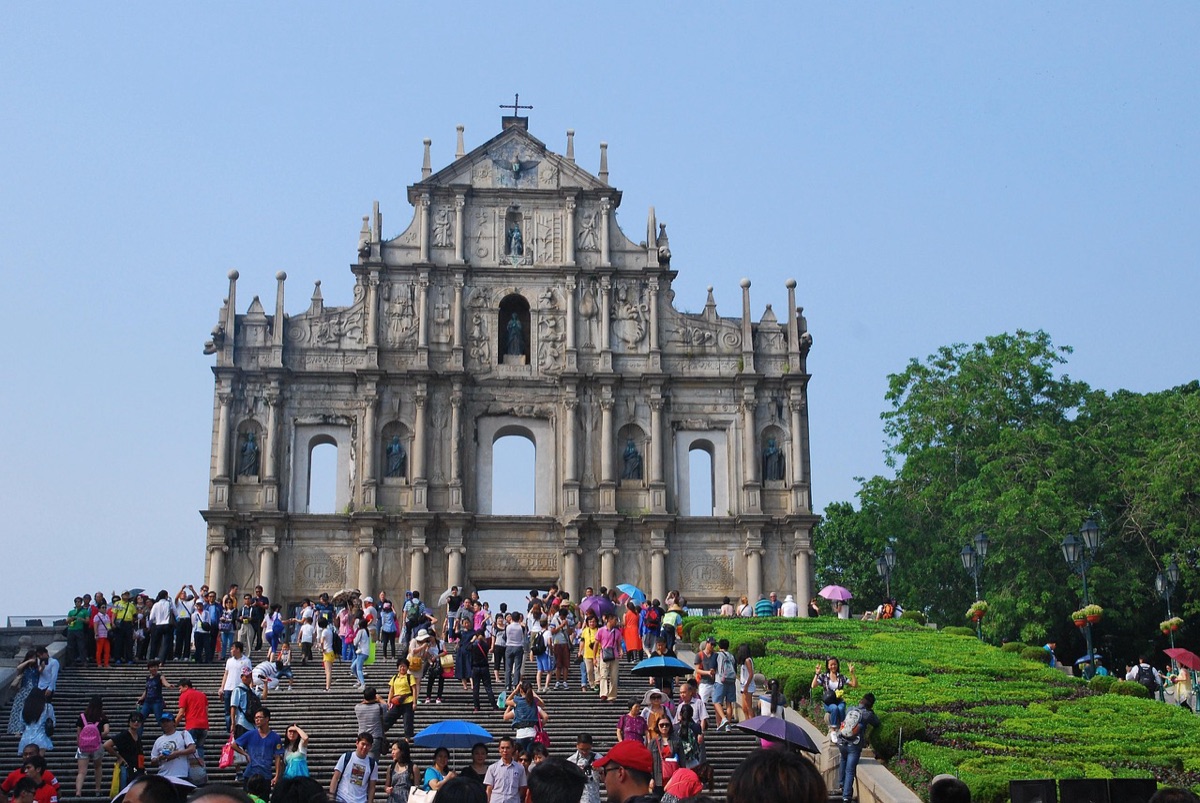
To make the most of your culinary journey, pair your meals with the geography of the city. If you are eating in the historic center near the Ruins of St. Paul's, stick to lighter, snack-based meals and walking tours.
If you are heading to the Cotai Strip, you can indulge in more elaborate, multi-course fine dining.
Use this checklist to organize your day:
- Morning/Lunch: Focus on the Peninsula or Taipa Village for walking-friendly, casual eats.
- The Midday Break: Use the time between meals to visit museums or scenic spots like the Macao Museum to avoid the midday heat.
- Evening: Reserve your time for the luxury hotels and resorts in Cotai for a more formal atmosphere.
Always check the proximity of your meal to the next landmark. There is no point in eating a heavy Portuguese feast and then attempting a three-hour walking tour of the hills.
The logistics can be just as complex as the recipes.
Mastering the Macau Visit: Logistics for Foodies
The ferry terminal is crowded, and the hum of the HZMB bus creates a constant backdrop of movement. You check your watch and realize that to see everything, you need a smarter way to move between the old and the new.
Efficiency is the key to a successful food tour. You don't want to spend your entire budget and time on transit when you could be sitting at a table.
- Choose Your Arrival Wisely: If coming from Hong Kong, the ferry is fast and drops you near the historic center, while the HZMB bus is a great budget-friendly option for reaching the bridge.
- Use the Free Shuttles: Most major resorts in Cotai provide free shuttle buses to and from the ferry terminals and major transit hubs. This is the most effective way to move between the luxury dining areas and the transport hubs without spending a fortune.
- Plan in Blocks: Divide your day into "Old Macau" and "New Macau" blocks. Spend the morning and lunch in the historic districts and the afternoon/evening in the Cotai area.
By mastering the logistics, you ensure that your energy is spent on the food and the culture rather than on navigating transit maps.
But what about the actual etiquette and the money in your pocket?
Dining Etiquette & Local Insight
You sit at a small table, and the waiter places the bill on the table with a polite nod. You realize you need to decide between using the local currency or the Hong Kong Dollar you brought with you.
While Macau uses the Pataca (MOP), the Hong Kong Dollar (HKD) is widely accepted and often used interchangeably. However, it is always a good idea to carry some local cash for smaller, family-run eateries in the village areas where digital payments might be less common.
The humidity can be intense, especially during the summer months. If you are planning a long, multi-course lunch, look for restaurants with strong air conditioning. Conversely, for a quick snack like an egg tart, the breezy outdoor seating in Taipa is perfect.
Lastly, remember that while the influence is Portuguese, the service style and pace often follow local Cantonese customs. Service can be quick and efficient, so don't expect the long, lingering meals typical of Southern Europe unless you are in a high-end hotel setting.
#






Comments 0