Macau Shopping Routes: Peninsula vs. Cotai Luxury Guide
"The best way to see the world is to walk through two different centuries in a single afternoon."
To conquer Macau's retail landscape, you must understand its dual identity: the historic, winding alleys of the Peninsula and the sprawling, neon-lit luxury of the Cotai Strip.
By mastering the transition between these two worlds, you can experience everything from hand-painted ceramics to global haute couture in a single trip.
* Optimize your visit by linking historic cultural sites with modern retail hubs. * Leverage free hotel shuttle services for effortless, cost-free movement between major zones. * * Efficiently plan your route to maximize limited time and avoid transit fatigue.
Why Plan a Route? Macau’s Unique Blend of Eras
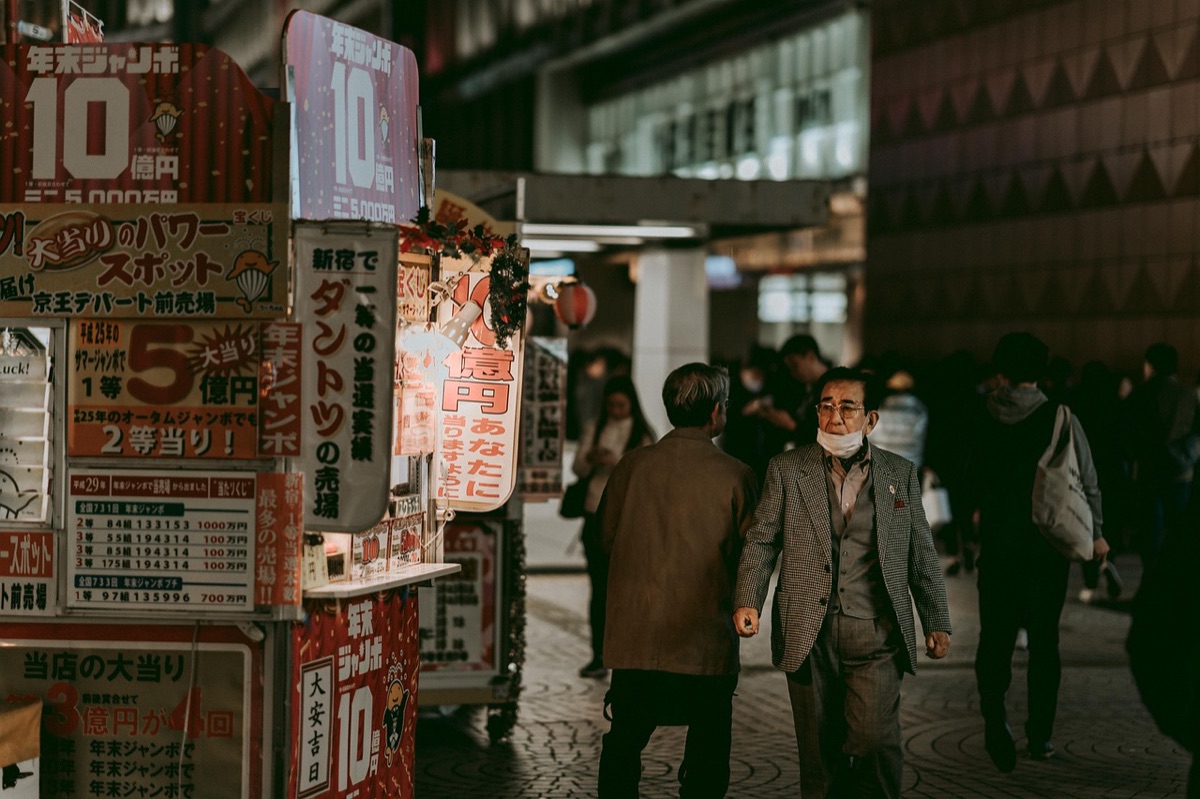
I remember standing at the corner of Rua de São Tiago in the late afternoon, looking up at the pastel-colored buildings and feeling as though I had stepped back into 19th-century Portugal.
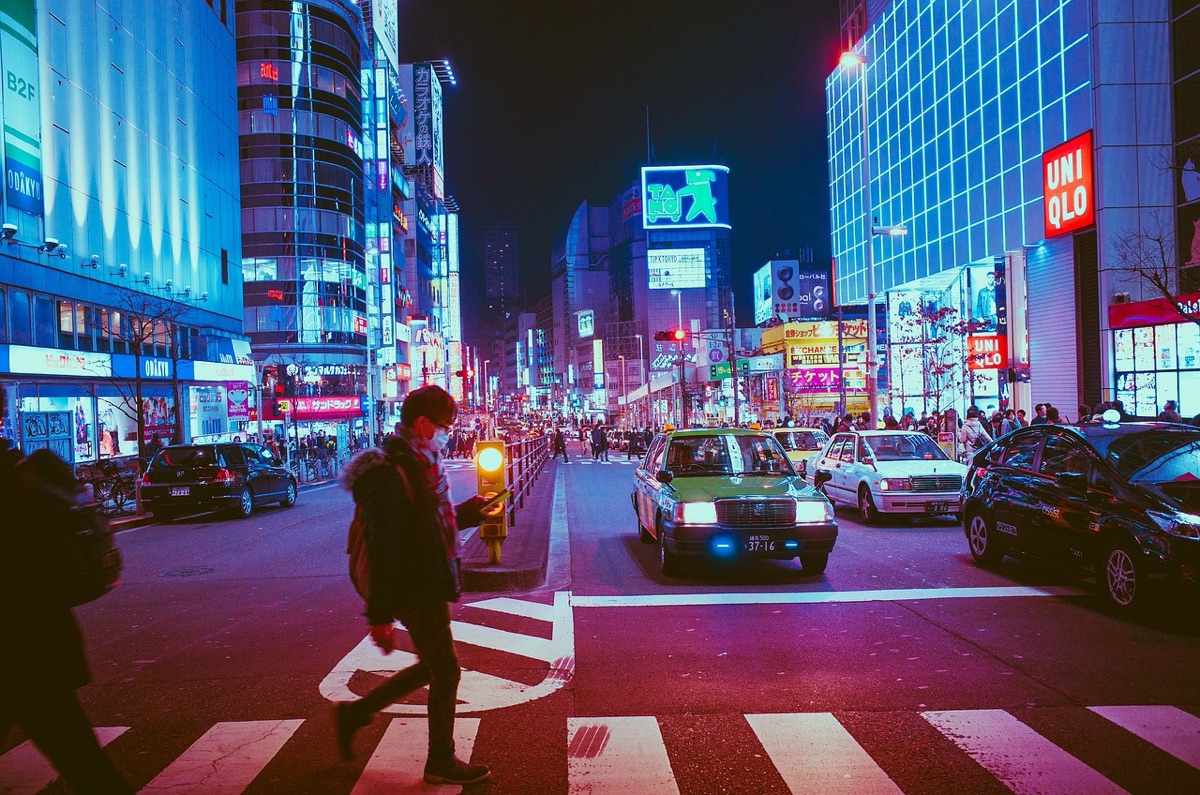
Just thirty minutes later, I was standing under the massive, glittering LED screens of a Cotai mega-resort, feeling like I had jumped a century into the future.
This extreme contrast is why a random wandering approach often leads to exhaustion rather than discovery. Macau is geographically split between the historic Macau Peninsula and the reclaimed land of Taipa and Cotai.
The Peninsula is where the soul of the city lives, characterized by narrow streets and Portuguese-style *azulejo* tiles. Cotai, on the other hand, is a high-density playground of integrated resorts where global luxury brands reside.
According to World Bank data, Macau recorded a GDP per capita of US$75,902 in 2025, reflecting its status as a high-wealth global hub. This economic reality is visible in the sheer density of luxury retail available.
If you don't plan a route, you might spend too much time stuck in traffic between these two distinct worlds.
Deciding between a "Day Trip" and a "Quick Visit" depends entirely on your shopping goals. If you want local crafts and traditional snacks, a focused day trip to the Peninsula might suffice. If you are looking for high-end designer collections, you will need a full day dedicated to the Cotai Strip.
But how do you actually structure a day that covers both?
How should I map out my shopping route? I sat at a small café in Taipa Village last Tuesday, sketching out a map on a napkin, trying to figure out how to hit every major landmark without burning out. The layout of Macau requires a strategic approach to ensure you don't end up walking miles in circles.
Depending on your personality, you should choose one of these three distinct shopping circuits:
Option A: The Heritage Focus (Old Macau) This route is perfect for those looking for authenticity. Start at Senado Square, walk through the historic streets toward the Ruins of St. Paul’s, and end with a stroll through Taipa Village.
This circuit focuses on local artisans and traditional tea shops.
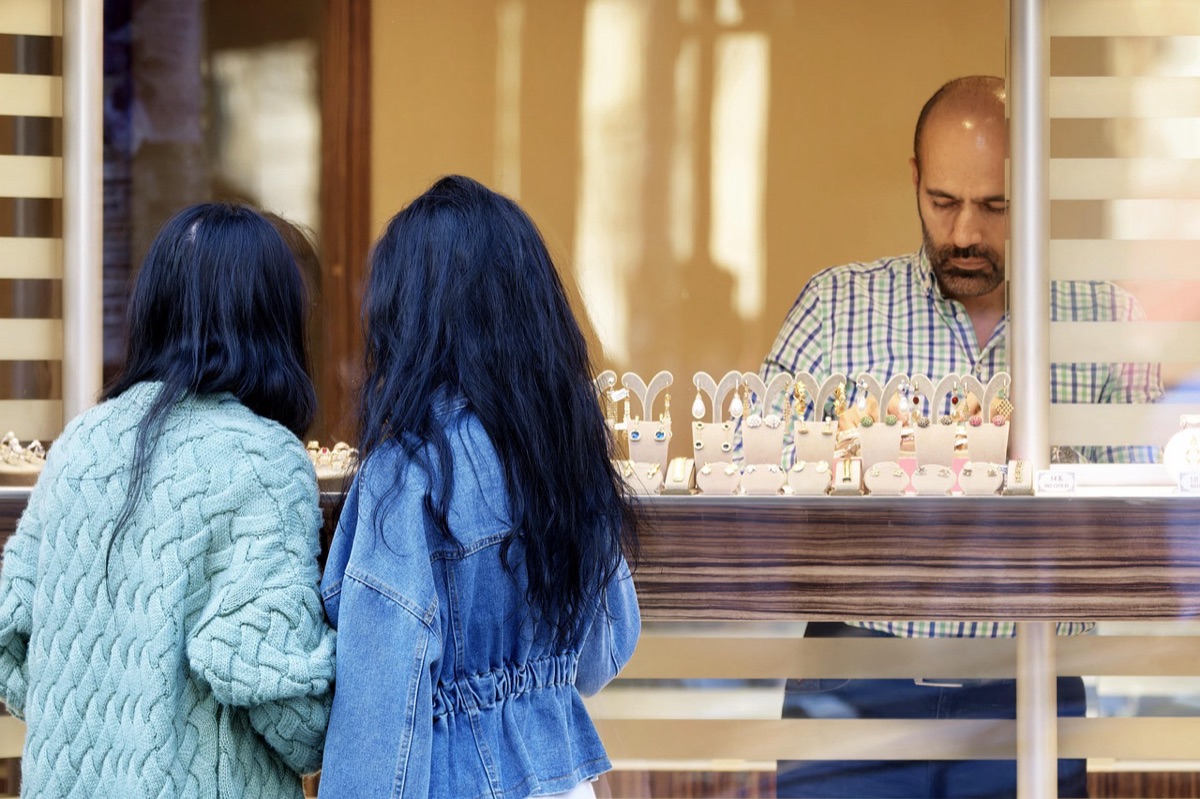
Option B: The Modern Luxury Focus (Cotai Strip) This is a high-intensity route centered around the massive integrated resorts. It is designed for those looking for flagship designer boutiques and high-end jewelry. Everything is centralized and easily accessible via walking paths between resorts.
Option C: The Hybrid Flow This is my personal recommendation for a perfect balance.
- Morning: Start in the Peninsula for a heritage walk to catch the light and avoid the midday heat.
- Afternoon: Transfer to Cotai via shuttle to explore the luxury malls.
- Evening: Enjoy high-end dining or a show in Cotai to end the day.
Moving between these zones is the biggest challenge. While the Peninsula is best explored on foot, moving from the Peninsula to Cotai requires a deliberate transit plan.
But what if you can't afford a private driver?
How can I master the free shuttle? I stood in a long line at a ferry terminal, watching travelers struggle with heavy bags and confusing bus schedules, realizing that most of them were missing out on the easiest way to travel. The secret to navigating Macau without breaking the bank is mastering the hotel shuttle system.
The complimentary hotel shuttles are the backbone of modern Macau travel. Most major resorts in Cotai provide free shuttles that run between the ferry terminals and their specific hotels.
How to use the shuttle service effectively:
- Identify your hub: Most shuttles terminate at a major hotel. Use that hotel as your "base camp" for the day.
- Locate the pickup point: Always check the specific hotel's website or concierge for the exact shuttle stop location, as these can change.
- Time your departures: Shuttles run on a schedule, but during peak hours, there might be a bus every 15–30 minutes.
- Check the direction: Ensure you are boarding the shuttle heading toward your destination, not the one leaving it.
Using these shuttles allows you to save significant amounts of money that can be redirected toward your shopping budget. While taxis are faster and more direct, they can be expensive and difficult to find during peak tourist seasons.
However, the logistics of moving between the old and new worlds can still be tricky.
Beyond Shopping: Pairing Experiences for a perfect day
As I bit into a warm, flaky egg tart in a quiet corner of Coloane, I realized that shopping is much better when it is paired with a sensory experience. If you only focus on the transaction, you miss the magic of the city.
To create a perfect itinerary, you should integrate gastronomy and culture into your shopping route.
Gastronomy Integration Don't just shop; eat your way through the city. In the Peninsula, pair your walk with visits to local *dim sum* houses or traditional Portuguese bakeries. In Cotai, pair your luxury shopping spree with a high-end Macanese fine-dining experience.
Cultural Immersion A shopping trip shouldn't feel like a chore. In the morning, visit a historic church or a museum to understand the architecture. This makes the afternoon luxury shopping feel like a rewarding conclusion to a culturally rich day.
Activity Pairing If you are visiting the quieter areas like Coloane, pair your exploration with a visit to a local seafood market or a quiet stroll along the coast. This prevents "mall fatigue" and keeps your energy levels high.
But you need to be prepared for the practicalities of the ground you walk on.
Practical Logistics: Before You Go
I remember looking at my bank app after my first trip to Macau, realizing I hadn't properly prepared for the dual-currency reality of the region. A little bit of preparation goes a long way in preventing logistical headaches.
Before you set out, consider these three decision points:
Travel Mode Comparison * Hong Kong Ferry: Fastest for those coming from Hong Kong, landing you directly at the ferry terminals where shuttles are readily available.
* HZM Bus (Bridge): A great alternative for those arriving from mainland China, though it requires more ground transport to reach the city center. * Airport Transfer: If flying directly into Macau, use the airport shuttles to get to your hotel immediately.
Currency and Payment Macau uses the Pataca (MOP), but the Hong Kong Dollar (HKD) is widely accepted at a 1:1 ratio. Most high-end shops in Cotai will accept credit cards and digital payments, but for small vendors in the old town or local markets, having cash is essential.
Time Management * Half-Day Itinerary: Pick one zone and stick to it. * Full-Day Itinerary: Use the "Hybrid Flow" mentioned earlier, dedicating the morning to history and the afternoon/evening to luxury.
| Feature | Heritage Route (Old Town) | Luxury Route (Cotai Strip) |
|---|---|---|
| Primary Focus | Local crafts, food, history | Designer brands, high-end retail |
| Walking Level | High (narrow, uneven streets) | Moderate (large, flat malls) |
| ly Transport Need | Mostly walking/local bus | Mostly hotel shuttles/taxis |
| Best Time | Morning to early afternoon | Afternoon to late night |
Note that the cobblestone streets of the Peninsula can be difficult for those with limited mobility, and the humidity can make the walking segments quite taxing.


Comments 0