90-Minute Macau Tour: See Key Landmarks Seamlessly
"Time is the only currency you can't earn back, so don't waste it wandering aimlessly through cobblestone streets."
If you only have a few hours to witness the intersection of East and West, you need a plan that prioritizes impact over distance. This guide provides a streamlined, high-efficiency route to conquer Macau’s most significant historic landmarks in a single morning or afternoon.
* Optimal Route: Follow a logical geographical flow from the historic center to the coastal outskirts to minimize backtracking. * Efficiency Tip: Use hotel shuttles to bridge the gap between the Peninsula and Taipa to save both time and money. * Cultural Immersion: Focus on the unique blend of Portuguese tilework and Chinese craftsmanship that defines this UNESCO-recognized landscape.
🚶♀️ How to structure your perfect half-day walking tour?
I remember standing in the middle of Senado Square at 10:00 AM on a humid Tuesday in 2025, looking at a paper map that felt suddenly overwhelming.
The sun was climbing toward a 31-degree Celsius peak, the crowds were thickening, and I realized that without a sequence, I would spend my entire trip just looking for the next street corner.
To avoid that feeling, you must define your starting point based on your arrival method. If you are coming from Hong Kong via ferry in the morning, start at the Macau Peninsula to hit the heavy-hitting historic sites first.
If you are arriving via the HZM Bridge in the afternoon, you might find it more efficient to begin with the Taipa side.
A successful tour requires realistic pacing. You should budget approximately 90 minutes for the dense historic center of the Peninsula, where sites like Senado Square and the Ruins of St. Paul's are clustered. For a more relaxed exploration of Taipa Village or Coloane, allow at least two hours.
The golden rule of a half-day tour is the "Flow Sequence." Always move from the most crowded, central landmarks toward the quieter, peripheral areas. This prevents you from fighting uphill against the tide of tour groups.
If you find yourself running behind, have a contingency plan: skip the museum deep-dives and stick to the outdoor architectural landmarks to keep your momentum.
But how do you actually order these sights to make the most of your time?
What is the best order to visit the must-see sites? The sun hit the wavy, multicolored pavement of Senado Square just as I stepped out of a taxi at 9:15 AM, the sound of footsteps echoing against the pastel-colored buildings. This is where your journey begins.
Stop 1: Senado Square (The Heart) This is the epicenter of Portuguese influence in Macau. The mosaic-tiled ground, known as *calçada portuguesa*, creates a stunning visual rhythm. Visit early in the morning to appreciate the architecture before the midday heat and crowds arrive.
The square acts as a central hub, connecting you to various winding alleys that lead to further historic sites.
Stop 2: St. Paul’s Chapter House Ruins (The Icon) Walking up the steep, narrow stairs toward the ruins, you feel the weight of history. This 17th-century facade is the most recognizable symbol of Macau.
It represents the Jesuit mission and the fusion of Japanese and Chinese craftsmanship used to decorate a Catholic structure. It is best viewed from the base to appreciate the scale, but climbing the surrounding stairs offers a panoramic view of the city.
Stop 3: Taipa Village (The Local Life) After exploring the Peninsula, head toward Taipa. Unlike the grander scale of the historic center, Taipa offers narrow lanes and a more intimate atmosphere. It is perfect for seeing how residential life integrates with historic preservation.
The architecture here is a beautiful mix of traditional Chinese courtyard styles and colonial elements.
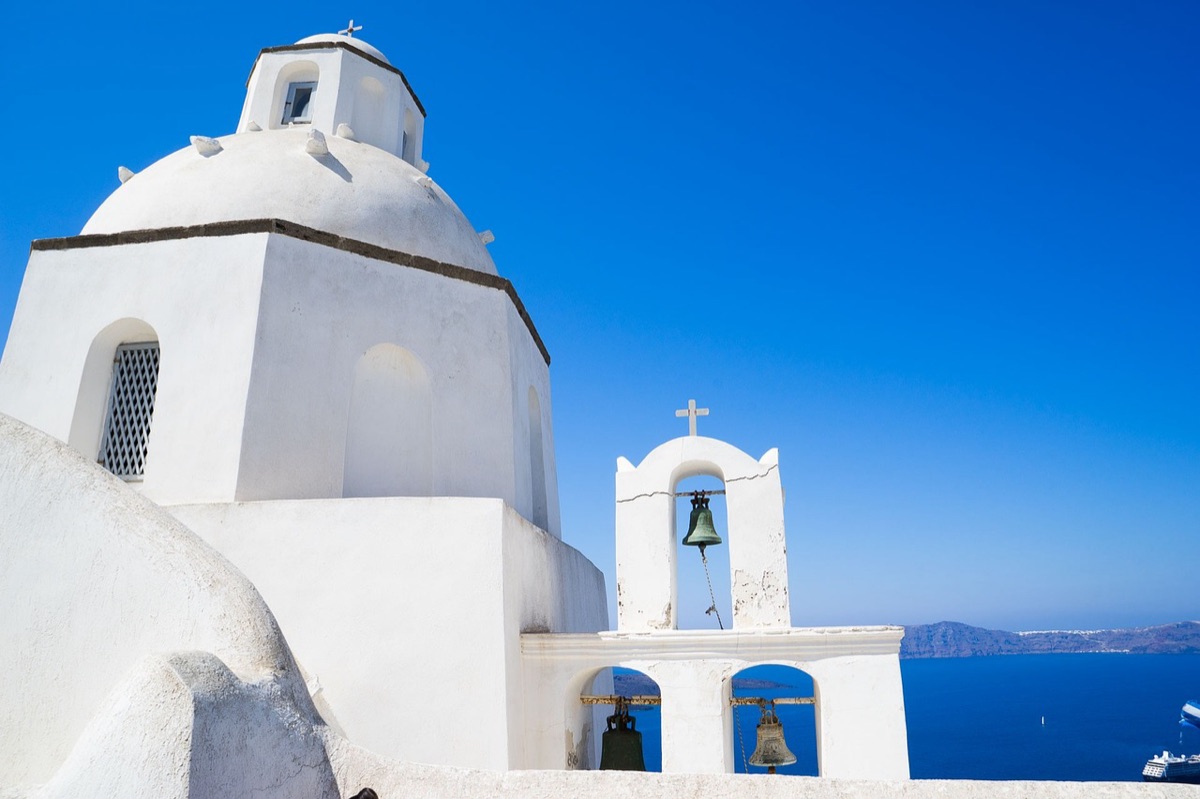
Stop 4: Coloane Church/Shrines (The Spiritual Anchor) For those looking for a quieter end to their tour, the southern tip of the island offers a peaceful retreat. The white-and-yellow facade of the Chapel of St. Francis Xavier stands out against the blue sky.
It serves as a quiet reminder of the maritime history that brought these cultures together.
Moving between these locations requires a mix of walking and strategic transit. While the Peninsula sites are best explored entirely on foot, moving from the Peninsula to Taiba or Coloane requires a short taxi ride or a bus to keep your schedule on track.
But how do you manage the logistics without losing your mind?
How do I get there and move around efficiently? The ferry terminal was bustling with travelers at 8:30 AM, a sea of rolling suitcases and digital boarding passes, making me realize just how much logistics matter in a city this compact.
Choosing your entry point is your first major decision. If you are coming from Hong Kong, the ferry is often the most direct way to reach the Macau Peninsula.
Alternatively, the HZM Bus via the bridge is a modern, high-capacity option that might be more cost-effective depending on your starting point in Hong Kong.
| Option | Best For | Pros | Cons |
|---|---|---|---|
| Hong Kong Ferry | Peninsula Visitors | Direct access to historic center | Can be expensive; subject to sea conditions |
| HZM Bus | Taipa/Cotai Visitors | Fastest connection from HK | Requires extra transit to reach the Peninsula |
| Airport Transfer | Late Arrivals | Seamless transition | Higher cost per person |
The "Free Transit Hack" is the secret weapon of seasoned travelers. Most major resorts in the Cotai Strip offer complimentary shuttle buses to various ferry terminals and even to certain parts of the city.
Use these shuttles to move between the major hubs (like moving from Taipa to the ferry terminal) to save your budget for food and souvenirs.
When navigating within the city, remember that walking is your primary mode of transport for the historic districts. For longer distances, such as moving from the Peninsula to Taipa, a combination of local buses and short taxi rides is most efficient.
Always keep a small amount of local currency handy, though many places now accept digital payments.
When the hunger hits, where should you go to avoid the tourist traps?
🍽️ Fueling your exploration: where to eat like a local
The smell of warm, flaky pastry hit me before I even saw the bakery at 11:00 AM, a sweet, buttery aroma that promised a perfect break from my walking tour.
You cannot visit Macau without experiencing Macanese cuisine, a unique fusion of Portuguese, Chinese, and African flavors. If you are looking for a quick, high-impact snack, seek out authentic egg tarts.
The contrast between the crispy, laminated pastry and the smooth, creamy custard is a perfect reward for a morning of walking.
For a more substantial meal, look for "Portuguese-style" restaurants in the historic alleys. If you have a full hour, sit down for a dish of African Chicken or Minchi.
If you are on a tight schedule, look for local noodle shops serving pork chop buns—a hearty, portable meal that captures the essence of local street food.
Budget-friendly dining is easy if you step away from the main squares.
While the landmarks are central, walking just two or three blocks into the side streets often reveals family-run eateries where the food is more authentic and significantly cheaper than the tourist-heavy spots right on the main thoroughfares.
But what if you want to go deeper than just the standard tourist route?
💡 Beyond the walk: enhancing your Macau experience
As I sat in a small cafe in Taipa Village in the late afternoon of 2025, watching the light change on the azulejo tiles, I realized that Macau isn't just a collection of sights; it is a feeling of two worlds existing in a delicate, beautiful balance.
According to World Bank data, Macau recorded international tourist arrivals of 5,897,000 in 2020.
The true beauty of Macau lies in its duality. Every building tells a story of trade, religion, and migration. When looking at the architecture, notice how Chinese dragon motifs might appear on a Portuguese-style balcony, or how European stone masonry meets East Asian rooflines.
When shopping for souvenirs, avoid the mass-produced trinkets in the main tourist squares. Instead, look for local almond cookies or traditional tea sets in the smaller boutiques of Taipa or the Peninsula. These make for much more meaningful keepsakes.
After your tour, find a quiet spot—perhaps a cafe with a view of the harbor or a park in Taipa—to decompress. A successful walking tour is physically demanding, so plan for a period of rest before your next activity.
To make sure you don't miss a single detail, follow this checklist:
- Confirm your arrival point: Check if you are landing at the Ferry Terminal or the HZM Bridge to determine your first stop.
- Pack the essentials: Carry a reusable water bottle and a portable charger to keep your phone alive for navigation.
- Time your transit: Use the hotel shuttles during peak hours to avoid the expensive taxi surge pricing.
- Check the weather: Always have a small umbrella or light rain jacket in your bag, as sudden showers are common.
- Verify local time: Aim to reach the most popular landmarks before 10:00 AM to beat the largest crowds.


Comments 0