Half day World Heritage walk: Your guide to history
A half day World Heritage walk allows travelers to experience profound history without the commitment of a full week of trekking. This guide provides the optimal heritage walking path for those seeking to maximize their time through efficient routes and cultural immersion.
Key takeaways: * Prioritize central historic districts to minimize transit time. * Focus on sites with deep cultural significance to maximize the experience. * Use local transit or walking to maintain a steady pace.
How to plan a half day World Heritage walk?
At dawn, a traveler traces a map with a trembling finger while standing before the ancient stone gate to plan a half day walk.
A traveler stands at a historic gate, checking a paper map against the towering stone walls. Planning a half day World Heritage walk requires selecting a concentrated area where monuments are within walking distance. You must balance the desire for discovery with the reality of limited hours.
A successful route focuses on a single district to avoid losing time to transportation. By choosing a compact area, you can witness multiple layers of history in a single morning or afternoon. This approach ensures that the walk remains a pleasant journey rather than a rushed race.
- Select a site with high density of landmarks.
- Map out the walking distance to ensure it fits a four-hour window.
- Identify key rest stops and hydration points along the route.
How can I make a short World Heritage trek effective?
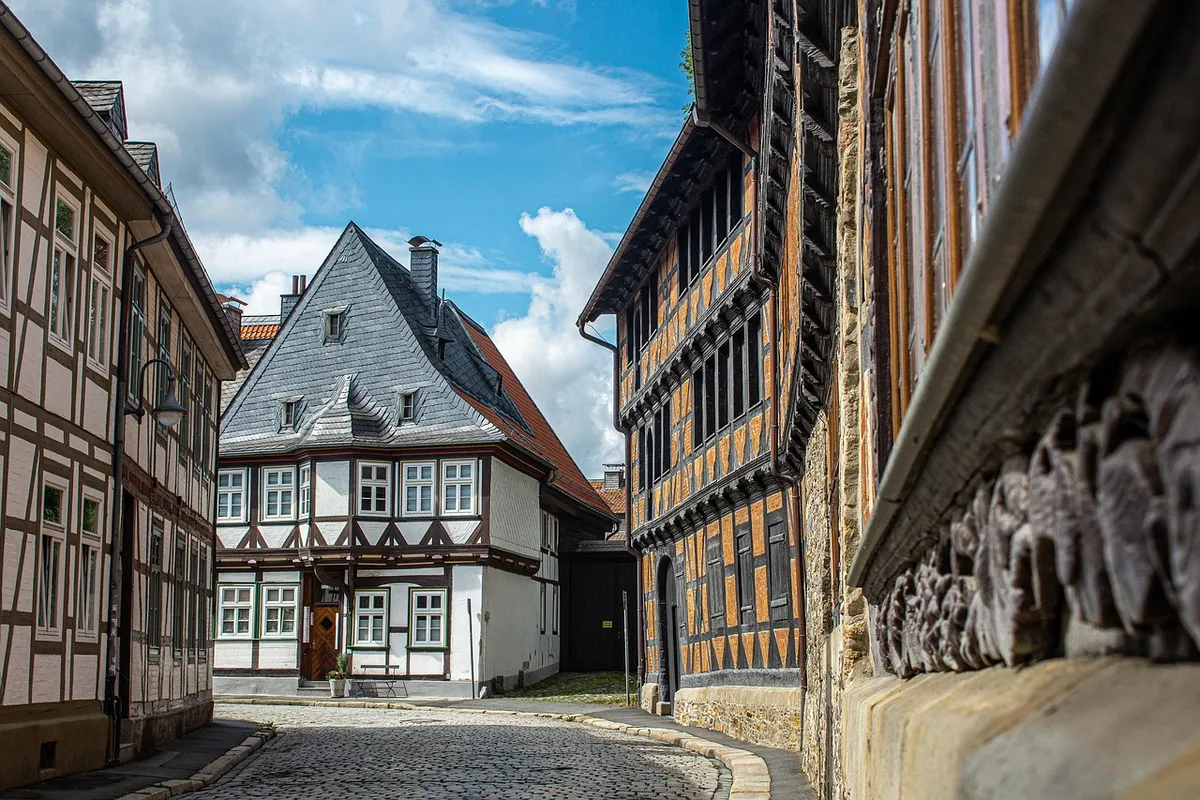
The sun rises over a cobblestone street as a hiker adjusts their backpack for a morning stroll. A short World Heritage trek works best when the path follows a logical chronological or thematic progression.
As reported by the World Tourism Organisation, Ireland was the "13th most popular tourist destination in the world", with 11 million visitors in 2021.

This structure helps travelers understand the evolution of a civilization through its physical remains.
To make the journey meaningful, select a path that connects significant landmarks. This method allows for a seamless transition between different eras of history. An efficient heritage walking route prevents the fatigue that comes from backtracking through busy city streets.
In this sequence, the second step is the most comprehensive.
How do I choose the optimal heritage walking path?
A visitor pauses at a fountain, looking at the intersection of two ancient streets. Finding the best route involves identifying the most dense concentration of heritage sites. This density allows for a meaningful experience within a four-to-six-hour window.
According to World Bank data, Macau recorded international tourist arrivals of 5,897,000 in 2020.
A well-planned route should account for walking speed and rest stops. You should look for paths that include shaded areas or seating to maintain energy levels. An efficient heritage tour guide often suggests starting at the most crowded site early to avoid heavy midday congestion.
Why is a half day heritage trail useful?
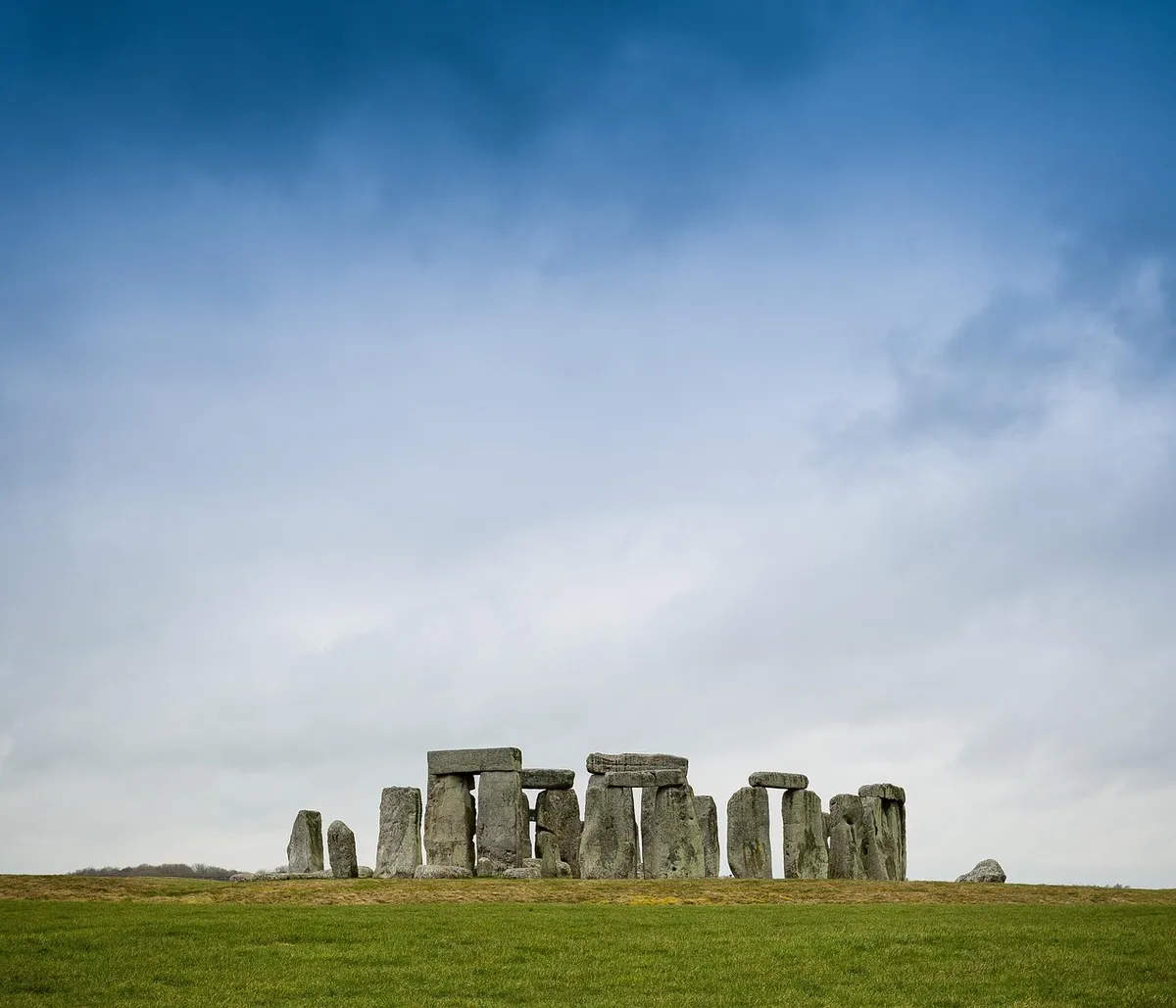
A group of travelers gathers at a plaza, pointing toward a distant cathedral. A half day heritage trail is the perfect solution for travelers with limited schedules or those visiting multiple cities. It offers a snapshot of local identity without requiring overnight stays.
This type of tour is particularly useful for those staying in transit hubs. It provides a way to engage with the local culture during a layover or a single day of vacation. Using a quick heritage walking tour format keeps the itinerary flexible for other activities.
Can I walk a heritage route with existing conditions?
A person checks the weather forecast on a smartphone while standing in a windy town square. Applying a walking route to existing conditions requires adjusting for weather, terrain, and physical stamina. A route that works in the spring might be too difficult during a summer heatwave.
- Assess the local terrain to ensure the walking surface is manageable for your footwear. 2. Check the opening hours of major landmarks to avoid arriving at a closed gate. 3. Verify the availability of local transport to return to your accommodation.
Always perform a final check of your route against a real-time map to ensure no paths are blocked by local events. I once attempted a similar route in a coastal town and realized too late that the steep hills required much more energy than the map suggested.
How to manage a walking route?

A traveler sits on a stone bench, drinking water and looking at the sights they just passed. Managing a route involves balancing movement with observation. If you move too quickly, you miss the details; if you move too slowly, you miss the landmarks.
| Feature | Morning Walk | Afternoon Walk |
|---|---|---|
| Energy Level | High | Moderate |
| Crowd Density | Low | High |
A limitation of these routes is that they may not cover the full breadth of a region's history due to time constraints.
The same subject is also called Easy heritage walking route.
This part also covers Best half day walking map.
Related
What are the constraints of a half day World Heritage walk?
The constraints of a half day World Heritage walk are dictated by the time allotted for the journey. Since the visit is compressed, the traveler must accept that the experience is a focused glimpse rather than a comprehensive deep dive into the region's entire history.
This limitation means the journey prioritizes quality of engagement over sheer quantity of sites viewed.
The half day World Heritage walk requires acceptance of the chosen path's limitations. If the chosen path is highly concentrated, the traveler gains depth but sacrifices breadth regarding the region's total historical scope.
Therefore, the traveler accepts that the journey is a curated moment in time.
When is a half day World Heritage walk most beneficial?
A half day World Heritage walk proves most beneficial when the traveler has limited time but wishes to achieve a high degree of cultural immersion. For instance, it suits those passing through a location or those dedicating a brief window to history.
This efficiency allows for a powerful impression to be made in a short span.
The half day World Heritage walk excels for travelers whose schedule does not permit a protracted stay. It serves as a powerful cultural touchpoint during a brief stopover or as a focused activity within a larger trip. This makes it a valuable activity for those with tight temporal constraints.
FAQ
What is the best way to experience a heritage site?
Is a walking tour suitable for short trips?
Related posts

Where is the best Taipa Village walking route?

Where should I stay for a Macau heritage travel October?

Where can I find the best Cotai Resort October schedule?





Comments 0