Where is the best Taipa Village walking route?
"Walking through the narrow alleys of Taipa Village allows you to experience the intersection of traditional heritage and modern hospitality."
This Taipa Village 2 hour walk guide is designed for travelers wishing to explore local culture and architecture without a major time commitment.
To avoid getting lost in residential side streets, you should follow the main pedestrian paths; keep in mind that this route is best suited for those with moderate walking ability. This itinerary covers essential landmarks and culinary streets within a manageable timeframe.
* Focus on the historical core of Taipa Village. * Utilize the main pedestrian thoroughfares for ease of navigation. * Complete the circuit within approximately two hours.
Where can I find the best walking route in Taipa Village?
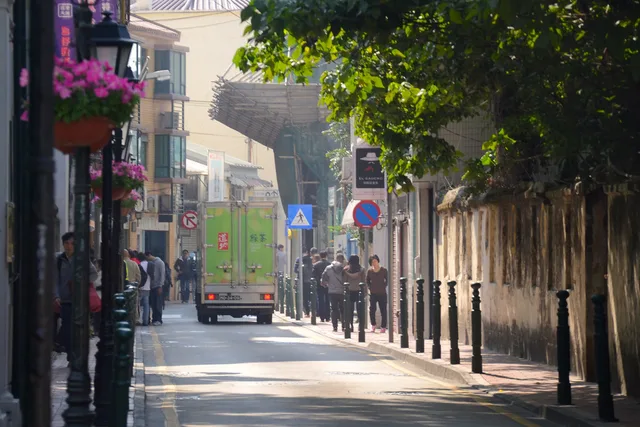
A traveler steps onto the sun-drenched pavement, feeling the warmth of the stone beneath their shoes as they enter the village. The Taipa Village walking route begins near the main entrance where the traditional houses stand in tight, colorful rows.
You move through the narrow lanes where the scent of local snacks fills the air.
The most efficient path starts at the village entrance and loops through the historic center, focusing on the preserved facades and local eateries. This route allows you to see the most significant architectural elements while staying on well-traveled paths.
By sticking to the central arteries, you ensure that the two-hour window remains sufficient for both sightseeing and a quick snack.
The most scenic route begins near the Taipa Houses-Museum and winds through the narrow, colorful alleys of the historic center.
How can I follow a Taipa Village stroll map?
The sun shifts across the colorful walls as you unfold a digital map on your phone, tracing the winding lines of the village. Using a Taipa Village stroll map helps you navigate the dense network of alleys that characterize this area.
You follow the signs toward the culinary streets, feeling the rhythm of the local life around you.
To use a map effectively in this area, you should identify the main culinary street first, as it serves as the primary landmark for most pedestrians. From there, you can branch out into the smaller side streets to see the heritage houses.
A Taipa walking tour guide often suggests starting from the busier junctions to ensure you experience the best Taipa walking course while avoiding the quietest residential corners. A Taipa 2 hour walking path is most successful when you prioritize the central heritage zone.
You can use a digital map on your smartphone or pick up a physical tourist brochure at the local visitor center to navigate the winding streets.

According to World Bank, the 2024 record includes 89.8%.
How do I plan a two-hour walking trip in Taipa?
A person checks their watch, adjusts their backpack, and begins the first leg of the journey under the bright afternoon sky. Planning a Taipa 2 hour walking trip requires a structured approach to ensure you do not overextend your time.
- Identify your starting point near the main village access road to establish a clear baseline for your timing. 2. Walk through the primary food streets to observe the local architecture and shopfronts. 3. Loop back toward the original entry point using the parallel heritage streets to complete the circuit.
I found that following these steps allowed me to see the main sights without feeling rushed by the clock. After completing the third step, perform a final check of your location to ensure you are heading back toward the main transport links.
- Start at the Taipa Houses-Museum to admire the colonial architecture.
- Walk through the traditional food streets to sample local snacks.
- End your stroll by exploring the small boutiques and craft shops near the waterfront.
Can I find a Taipa walking tour guide experience?
The sound of footsteps echoes against the old walls as you join a small group of onlookers near a traditional doorway. Finding a Taipa walking tour guide experience is possible through local hospitality services that focus on the region's unique history.
Many of these experiences are informed by the academic standards of the Macao University of Tourism, which was established in 1995 as the Institute for Tourism Studies.
The local expertise often highlights how the area has evolved. While the village remains a cultural hub, the broader region's economy is shaped by significant movement; for instance, according to World Bank data, Macau recorded international tourist arrivals of 5,897,000 in 2020.
This scale of tourism supports the various walking paths available to visitors.
Yes, several local agencies offer guided walking tours that provide historical context and culinary recommendations.
Comparing walking options in the area
A traveler stands at a crossroads, looking left toward the quiet residential paths and right toward the bustling main street. Choosing between different paths depends on your interest in either quiet scenery or active commerce.
| Route Type | Focus | Time Estimate |
|---|---|---|
| Heritage Loop | Architecture and History | 2 Hours |
| Culinary Path | Food and Local Shops | 1 Hour |

While self-guided walks offer total freedom, guided tours provide deeper insights into the village's unique cultural heritage.
What is the limit of this walking route?
The shadows lengthen across the cobblestones as the walk reaches its conclusion near the village edge. This specific Taipa Village 2 hour walk is limited to the historical and commercial center of the village.
It does not include the extended coastal paths or the larger resort areas located further away from the traditional core.
The route is primarily contained within the historic village core, making it easy to navigate on foot without needing transportation.
Which path offers the best navigation?
The main pedestrian thoroughfares provide the most reliable way to navigate the village without getting lost in residential side streets. Walking through these central arteries ensures that you remain on well-traveled paths rather than entering the quietest residential corners.
This approach is ideal for those who want to prioritize the central heritage zone and the primary food streets.
If you choose the heritage loop, you will focus on architecture and history for approximately two hours. In comparison, the culinary path focuses on food and local shops and can be completed in one hour.
Both options require moderate walking ability to navigate the narrow lanes and stone pavements effectively.
Caution should be taken when deciding to branch out from the main culinary street into smaller side streets. While these smaller paths allow you to see heritage houses, they may lead away from the primary landmarks used for navigation.
Staying on the main paths helps ensure the two-hour window remains sufficient for your planned sightseeing.
FAQ
Is there a specific time to start the walk?
Can this route be completed in less time?
Related posts

Where should I stay for a Macau heritage travel October?

Where can I find the best Cotai Resort October schedule?

Macau history walking tour: How to see cultural fusion





Comments 0