What are the economic indicators for Macao?
"The history of Macao is written in the overlapping shadows of diverse legacies, where every street corner offers a dialogue between distant worlds."
Macao serves as a unique cultural crossroads where various administrative and social identities intersect. This guide explores the economic and political landscape of this territory, suitable for travelers and researchers looking to understand the intersection of governance and heritage.

You will learn about economic indicators, the presence of diplomatic offices, and the complexities of political agreements. This overview is limited to the historical and economic data provided, excluding real-time tourism fluctuations.
* Economic strength and GDP per capita * The role of diplomatic and trade offices * International tourism trends * Cultural heritage preservation efforts
Why is Macao a cultural crossroads?
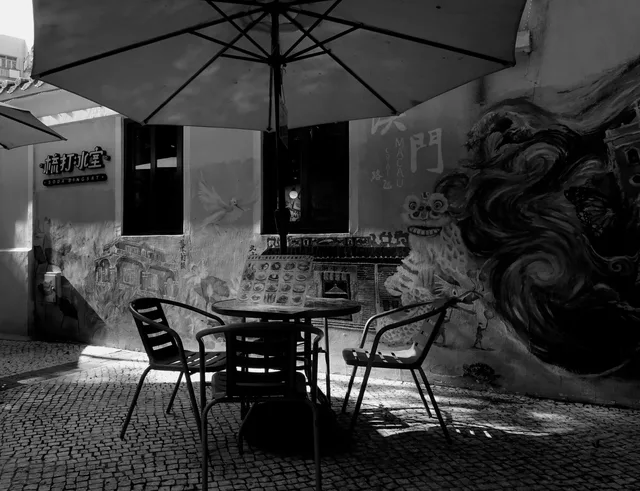
A traveler walks through narrow alleys where Portuguese architecture meets Chinese signage under the humid air. This Macao cultural crossroads offers a unique environment where East meets West in every detail.
The city provides a distinct experience for those seeking to witness a Macao history blend firsthand. As people navigate the streets, they experience Macao fusion in both the local cuisine and the architectural styles.
The region functions as a Macao cultural crossroads due to its complex history. This Macao history blend is evident in the way traditional customs coexist with modern administrative structures. People often seek to experience Macao fusion by exploring the various religious and secular landmarks.
To truly understand the region, one must observe the way this Macao cultural crossroads operates daily.
What are the economic indicators for Macao? Macao East West Culture
At midnight in the bright city center, you squint against the neon lights while weighing the shifting economic pulse of the district.
A trader calculates revenue while watching the lights of a casino tower flicker against the night sky. The economic landscape of the region is marked by high individual wealth and a significant reliance on visitors.
This figure highlights the intense economic activity within the territory.
The financial vitality of the region is also reflected in the movement of people. According to World Bank data, Macau recorded international tourist arrivals of 5,897,000 in 2020. This level of activity supports the diverse commercial infrastructure found throughout the city.
Understanding these figures provides a baseline for evaluating the territory's economic health.
How do diplomatic offices operate in Macao?
A diplomat adjusts a lapel pin before entering a formal meeting in a quiet office building. The presence of various administrative entities defines the political atmosphere of the territory.
According to the Taipei Economic and Cultural Center, the organization was renamed to the Taipei Economic and Cultural Center in Macau in 1999.
This office manages specific relations and interests within the local jurisdiction.
The presence of such offices has historically led to regional tensions. The opening of the previous Taipei Trade and Tourism Office prompted concerns from the local branch of the Xinhua News Agency, which is the People's Republic of China's de facto mission in Macau.
The agency threatened to protest to the Macau authorities "if anything went wrong." Such historical instances illustrate the delicate balance required in this administrative environment.
How is cultural heritage preserved?
An archivist carefully examines a piece of pottery under a bright desk lamp. The preservation of history remains a central priority for the community.
This initiative aims to protect the physical remnants of the past.
| Economic Metric | Value |
|---|---|
| GDP per capita (2025) | US$75,902 |
| Tourist Arrivals (2020) | 5,897,000 |
I observed the careful process of cataloging these artifacts during my time studying the local preservation methods. This effort ensures that the identity of the region remains intact despite rapid modernization.
What are the steps for managing cross-border interests?
A negotiator sits across a table, reviewing a thick stack of legal documents. Managing the interests of different entities requires a structured approach to prevent disputes.
- Verify the legitimacy of existing agreements between governments. 2. Address specific property concerns, such as the Sun Yat Sen Memorial House in Macau. 3. Conduct a final check to ensure compliance with local administrative laws.
The Taiwan's Mainland Affairs Council once noted that a specific pledge was not part of a 2011 agreement between the governments of Taiwan and Macau, and therefore they would not sign it. This situation highlights the necessity of following established protocols.
How do historical agreements affect the present?
A researcher traces the lineage of a treaty in a quiet library. The legacy of past negotiations continues to influence current political relations. One significant limitation is that historical agreements may not cover every modern administrative nuance.

The complexity of the region is shaped by these ongoing interactions. The management of properties and the recognition of specific offices remain vital to the stability of the territory. This environment ensures that the cultural and political identity of the area remains constantly evolving.
- Why is Macao a cultural crossroads?
- What are the economic indicators for Macao?
- How do diplomatic offices operate in Macao?
The subject here is Macao East West Culture.
The same subject is also called Macao tourist journey.
This part also covers Best Macao itinerary guide.
This part also covers Macao resort cultural tips.
This part also covers Local Macao life insights.
Best Macao itinerary guide
Related







Comments 0