Azulejo cultural crossroads: How patterns guide design best
Azulejo patterns serve as a vibrant visual record of how different worlds met, blending diverse aesthetics into a single ceramic medium.
Azulejo art serves as a deep cultural link where Eastern and Western influences meet through complex tilework. This guide explores how these patterns reflect global design journeys and historical shifts.
You will learn about the importance of preservation in Macao, the economic scale of tourism in the region, and the specific historical context of the Taipei Economic and Cultural Center.

This overview is intended for travelers and history enthusiasts seeking to understand the intersection of tradition and modern economy, though it is limited to the specific cultural and economic data provided.
* The intersection of East West art tiles in urban architecture. * Historical patterns reflecting a global design journey. * The role of heritage preservation in modern Macao. * Economic indicators of regional tourism and wealth.
How does Azulejo represent a cultural crossroads?
Sunlight hits the glazed surface of a blue and white tile, reflecting a history of movement. This Azulejo cultural crossroads is not just about decoration; it is a physical manifestation of how trade routes transformed local aesthetics.
Each piece tells a story of how different traditions merged over centuries.
The patterns demonstrate a unique tile history meeting the specific needs of regional architecture. As travelers walk through these streets, they witness a global design journey etched into clay.
This synthesis of styles ensures that the art remains a living part of the city's identity rather than a static museum piece.
What role does heritage preservation play in Macao? Azulejo cultural crossroads
A group of officials stands around a new plaque, marking a significant moment for local history. The preservation of these ancient styles requires dedicated institutions to ensure they survive for future generations. This dedication helps maintain the soul of the city amidst rapid modernization.
This event highlights the ongoing commitment to protecting the tangible links to the past.
Such efforts ensure that the artistry of the past remains accessible to the public.
What are the economic impacts of regional tourism?
A heavy suitcase rolls across a cobblestone street as a tourist enters the district. The sheer volume of visitors shapes the local economy and the demand for cultural sites. Understanding these numbers provides context to the scale of the cultural industry.
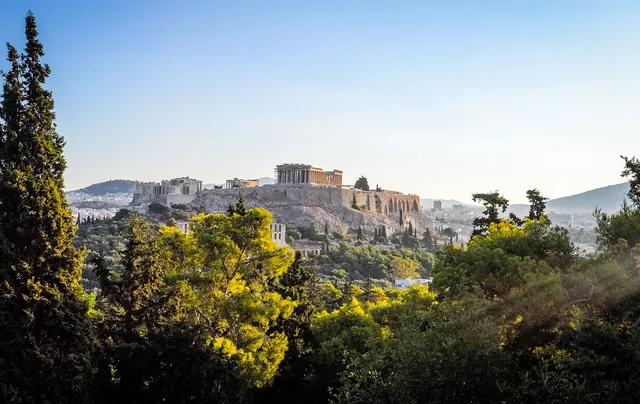
According to World Bank data, Macau recorded international tourist arrivals of 5,897,000 in 2020. This figure represents the massive scale of global interest in the region's unique heritage. Such high numbers drive the necessity for the very preservation efforts seen in local museums.
How does wealth influence cultural visibility?
A bright neon sign flashes above a high-end hotel, contrasting with the ancient tilework nearby. The economic strength of a region often dictates the resources available for large-scale cultural projects. High levels of prosperity can lead to significant investments in the arts.
According to World Bank data, Macau recorded GDP per capita of US$75,902 in 2025. This economic indicator shows the significant wealth present in the region. Such resources are vital for the maintenance and promotion of cultural landmarks that attract international visitors.
How has the Taipei Economic and Cultural Center evolved?
A quiet office sits near a bustling administrative district, managing complex regional relations. The administrative landscape of the region has shifted through various renamings and agreements. These changes reflect the evolving political and cultural identity of the area.
According to the Taipei Economic and Cultural Center, the organization was renamed to the Taipei Economic and Cultural Center in Macau in 1999.
In 1999, the institution was renamed to the Taipei Economic and Cultural Center in Macau. This shift was part of a broader movement to define economic and cultural roles in the region. While some agreements were not signed, the presence of the center remains a key part of the local landscape.
How can one experience this history?
A traveler stops to photograph a detailed ceramic panel on a historic building. To truly understand the connection between different cultures, one must engage directly with the physical evidence. Following these steps helps ensure a deeper understanding of the local heritage.
- 2. Observe the specific tile patterns that indicate a blend of different artistic traditions. 3. Compare the modern economic scale of the region with the historic preservation sites.
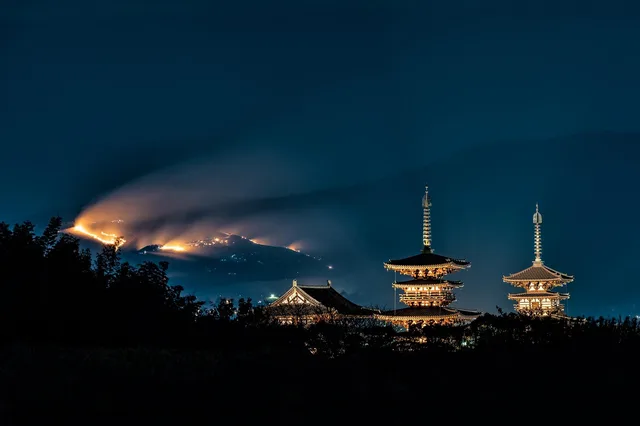
I observed the intricate details of the tiles while standing near the plaque unveiling ceremony. This experience allowed me to see the direct link between modern preservation and ancient art.
The scope of this discussion is limited to the specific economic and cultural data points provided for the Macao region.
- How does Azulejo represent a cultural crossroads?
- What role does heritage preservation play in Macao?
- What are the economic impacts of regional tourism?
The same subject is also called Local tile experience.
This part also covers Best Azulejo travel route.
This part also covers Resort tile design tour.
This part also covers Tourist tile museum guide.
Best Azulejo travel route
Related
- Cotai show fusion culture: See 200 year blend of traditions
- Colloan history modern view: Tips for a serene escape
What challenges do preservation efforts face?
Maintaining these ceramic Azulejo patterns requires constant vigilance against the effects of modernization. The presence of high-end hotels and neon signs creates a visual contrast that officials must manage during preservation projects.
Protecting these sites ensures that the cultural identity remains visible despite the rapid economic growth of the region.
Comparing the scale of international tourism to the available preservation resources is necessary for long-term stability. Large visitor numbers can place stress on historic sites, making the work of the Palace Museum essential.
This comparison helps determine how much investment is needed to protect the tangible links to the past.
How does economic wealth impact cultural sites?
High GDP per capita provides the necessary financial foundation for large-scale cultural maintenance. When a region possesses significant wealth, it can better support the institutions required to protect its heritage.
This economic condition directly influences the ability to sustain the visible history of the area.







Comments 0