Cotai Lunar New Year: 50% Guide to Gaming Taxes
"The expansion of the Cotai area represents a strategic shift toward diverse development beyond traditional gaming."
The Cotai Resort Lunar New Year period offers a unique window into the evolving landscape of Macau, where historical gaming roots meet modern non-gaming ambitions. This guide explores the context of the Cotai region and the economic foundations that shape local tourism.
Key takeaways include an understanding of the economic significance of gaming, the historical development of the Cotai Strip, and the shifts in revenue sources.
How does the Cotai area shape the local economy?

The traveler brushes against the velvet curtains of a luxury lounge in the cotai area, feeling the heavy fabric as evening falls over the city.
A traveler walking through the bright lights of the Cotai Strip might notice the massive scale of development designed to host international visitors. The region's history is tied to strategic land use decisions that shaped its current layout.
The development of this area has been a centerpiece of local policy for years. According to the Land, Public Works, and Transport Bureau (DSSOPT) director Jaime Carion, the Government was looking at developing non-gaming projects in Cotai as of December 2010.
This focus on diversification aimed to expand the utility of the land beyond just gaming.
The economic impact of such large-scale projects is significant for the region. Gambling tourism has historically been a primary driver, making up about 50% of the economy, with gaming taxes accounting for 75% of Macau's government revenue.
These figures illustrate the massive scale of the industry's influence on local fiscal health.
However, the economic impact remains limited if regional stability fluctuates.
What are the historical foundations of the Cotai Strip? Cotai Resort Lunar New Year
Standing on the reclaimed coast at dusk, the visitor touches the cold stone railing while contemplating the history of the cotai strip.
A visitor standing on a street corner in Cotai might wonder how these massive plots of land were originally allocated. The history of the land tells a story of regulatory decisions and competition.
The distribution of land was a subject of significant official oversight during the early planning stages.
In December 2010, the Land, Public Works, and Transport Bureau (DSSOPT) director Jaime Carion informed local media that plots 7 and 8 in Cotai would not be granted to either gaming operators SJM Holdings or Sands China. This decision shaped the competitive landscape of the district.
The shift toward different types of attractions was a key part of this planning process. The government's intent to move toward non-gaming projects helped define the modern character of the district. This strategic move ensured that the area would not rely solely on a single type of visitor.
This sequence highlights how land reclamation transformed the landscape.
According to World Bank, the 2024 record includes 89.8%.
How central is gambling to Macau's GDP?
An observer watching the bustling crowds in a casino might see the direct connection between the gaming industry and the city's wealth. The sheer volume of activity is a testament to its economic weight.
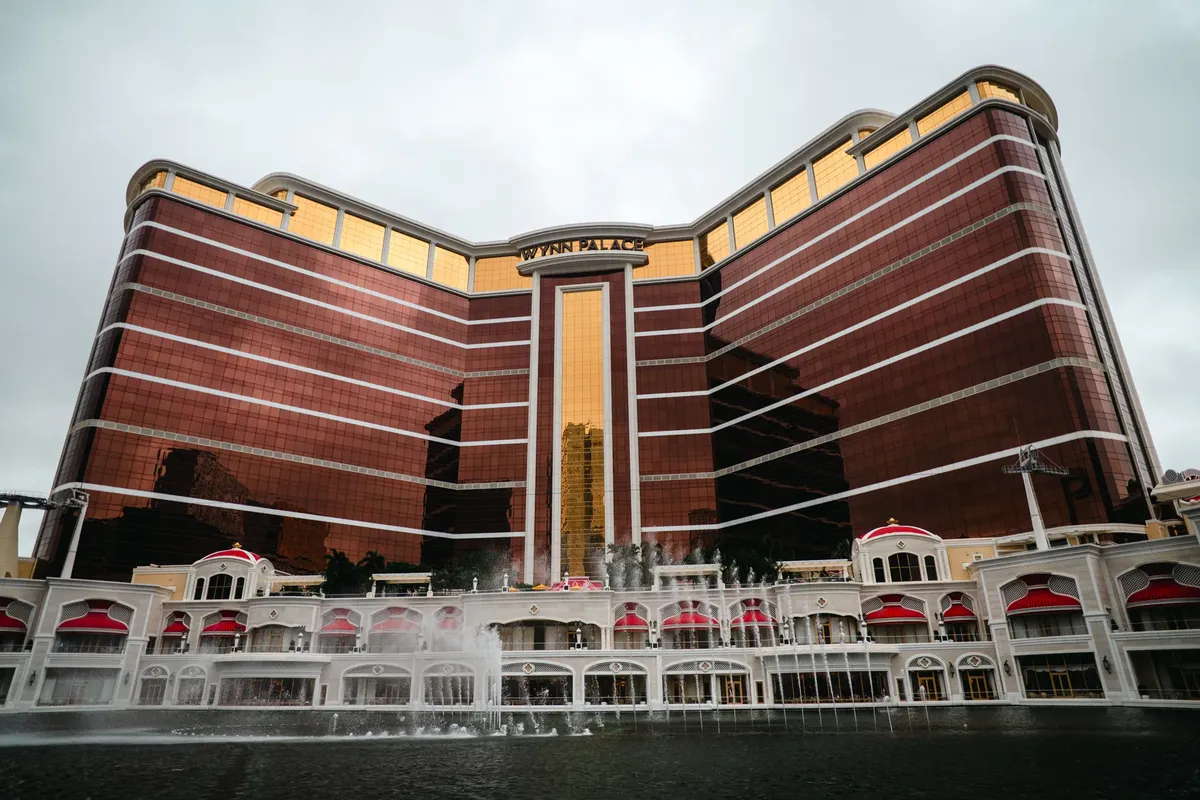
The industry serves as a massive pillar for the local economy. Nowadays, the gambling industry generates over 40% of the GDP of Macau. This concentration of wealth highlights the importance of maintaining a stable and attractive environment for visitors.
This dominance has been a constant feature for decades. Since the early 1960s, around 50% of Macau's official revenue has been driven by gambling. Such a heavy reliance on one sector underscores the importance of the recent moves toward diversifying the local economy.
The second point in this overview is the most significant.
What are the trends in tourist arrivals?
A traveler checking into a hotel might reflect on the fluctuating numbers of visitors throughout different years. These numbers reflect the global shifts that impact international destinations.
The scale of tourism in the region has seen significant changes over the years. For example, Macau recorded international tourist arrivals of 5,897,000 in 2020, according to World Bank data. These figures provide a baseline for understanding the scale of the hospitality sector.
The industry has also faced periods of extreme volatility. In 2020, Macau saw a decline of 56 percent in revenue, and the number of monthly visitors fell from approximately 3 million before the pandemic to fewer than 1 million in 2021.
Such fluctuations highlight the sensitivity of the tourism sector to global events.
These trends do not apply during periods of significant travel restrictions.
How is the digital landscape affecting visitors?
A tourist using a smartphone to navigate the streets of Macau is participating in a highly connected environment. The digital infrastructure supports the modern traveler's needs.
The connectivity of the region is quite high, facilitating seamless travel and communication. According to World Bank data, Macau recorded a share of internet users of 89.8% in 2024. This high level of connectivity is a vital component of the modern visitor experience.
While the digital world grows, the physical infrastructure remains essential. The interplay between high-tech connectivity and physical land development continues to define the visitor experience. This balance is crucial for maintaining the region's appeal to international travelers.
Summary of Economic Drivers
| Economic Factor | Historical/Current Impact |
|---|---|
| Government Revenue | 75% from gaming taxes |
| GDP Contribution | Over 40% from gambling |
I observed how these historical land decisions directly influenced the modern layout of the district when comparing the original plots to current developments.

The current economic landscape is defined by a mix of traditional gaming and newer, non-gaming attractions.
The effectiveness of these drivers is restricted when global demand shifts.
- How does the Cotai area shape the local economy?
- What are the historical foundations of the Cotai Strip?
- How central is gambling to Macau's GDP?
The subject here is Cotai Resort Lunar New Year.
The same subject is also called Resort Lunar New Year deals.
The same subject is also called Cotai holiday packages.
The same subject is also called New Year celebration offers.
The same subject is also called Festive stay promotions.
This part also covers 2026 Lunar New Year events.
This part also covers Book your festive escape.
This part also covers Special offers inside.
2026 Lunar New Year events
Related
- Cotai Resort Shuttle Tips: How to Navigate Cotai Area
- Cotai Resort shuttle routes: Guide to 10 minute travel
How does the expansion of the Cotai area reflect modern needs?
The expansion of the Cotai area demonstrates a concerted effort to sustain long-term viability beyond the initial focus on gaming revenue. This shift acknowledges the need for broader appeal to maintain visitor flow.
The government’s early consideration of non-gaming projects signals a proactive approach to land utilization. This strategic planning suggests an understanding that dependence on one source alone carries inherent risks.
The integration of diverse attractions into the Cotai development mirrors the broader goal of securing a resilient economic base for Macau. This move complements the existing strength provided by the gaming sector.






Comments 0