Macao's Taipa Village: A 200-Year Cultural Journey Awaits
"Walking through Taipa Village feels like stepping into a living museum where the scent of Portuguese custard meets the echoes of a colonial maritime empire."
Taipa Village offers a preserved slice of Macao’s soul, serving as a colorful, narrow-streeted contrast to the massive neon resorts of the Cotai Strip. It is the perfect place to understand how Portuguese and Chinese cultures merged into a single, cohesive identity.
* Historical Context: Taipa represents the residential and social heart of Macao’s history, far removed from the modern gaming hubs. * Walking Strategy: Start in the late morning to avoid the midday heat and finish with an early dinner to experience the transition from sunlight to lantern-lit alleys. * Cultural Essence: Look for the fusion of Azulejo tiles, pastel-colored facades, and Macanese flavors that define the region.
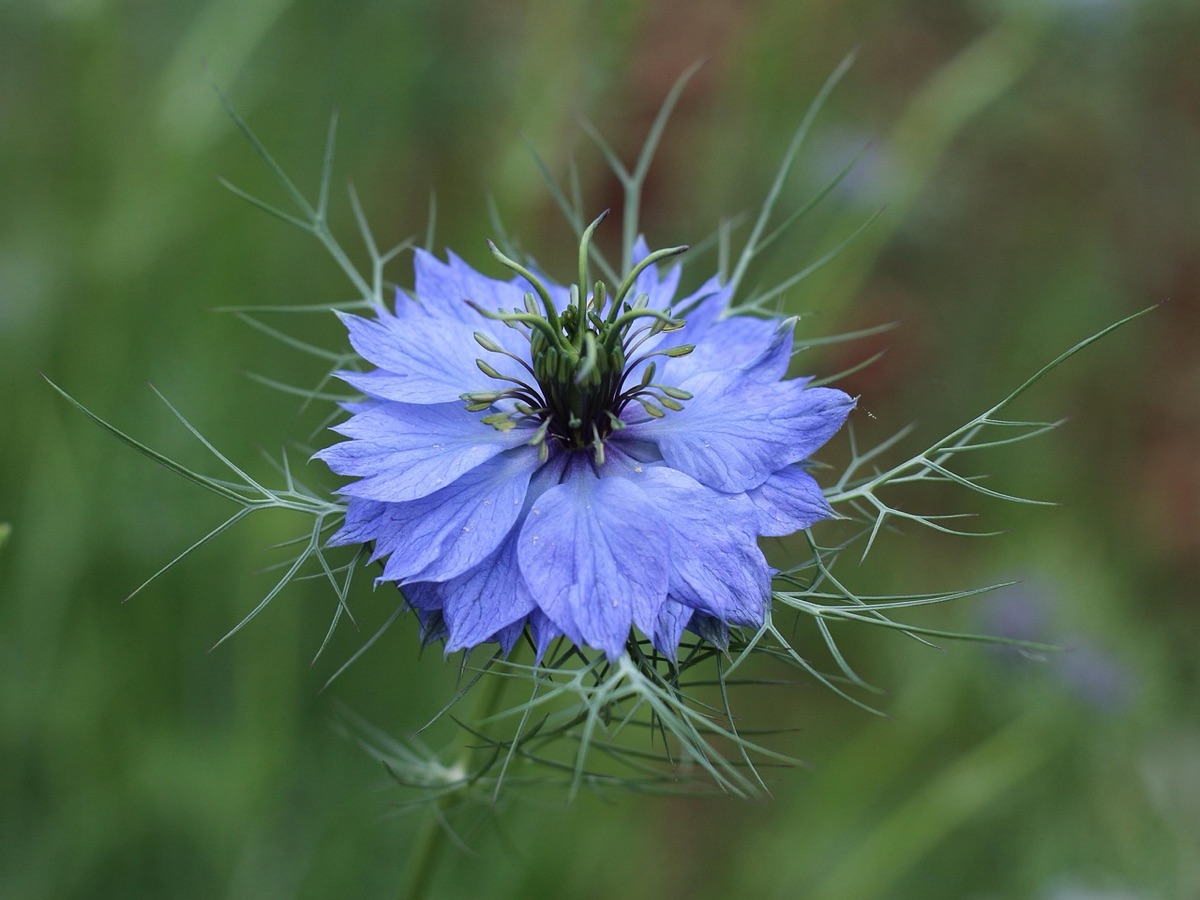
Why Taipa Village? Tracing Macao's Living Heritage
The sun hit the yellow-washed walls of a small courtyard as I stepped off the main road, the sudden quiet of the side street making the sounds of distant traffic vanish instantly.
In the summer of 2025, the heat was already thick against the pavement, making the shade of the narrow alleys feel like a physical relief.
In that moment, the transition from the high-rise skyline to the low-rise charm of Taipa felt like traveling through time.
Taipa Village stands as a testament to the layered history of Macao, where Portuguese influence and Chinese tradition have lived side-by-side for centuries. Unlike the sprawling, modern developments of the nearby Cotai Strip, these streets maintain a human scale.
The architecture is a visual dialogue: you will see traditional Chinese courtyard layouts blended with Portuguese-style windows and decorative Azulejo tiles. In 2026, as urban density increases across the territory, these preserved pockets become even more vital.
Historically, Taipa was a fishing village that grew through trade and colonial settlement. This heritage is etched into the very fabric of the neighborhood.
The narrow alleys were designed for shade and community, creating a dense, walkable environment that preserves the feeling of an old maritime outpost. It is not just a tourist attraction; it is a preserved piece of the social fabric that allowed Macao to flourish as a global crossroads.
But how do you actually navigate this maze without getting lost in the heat?
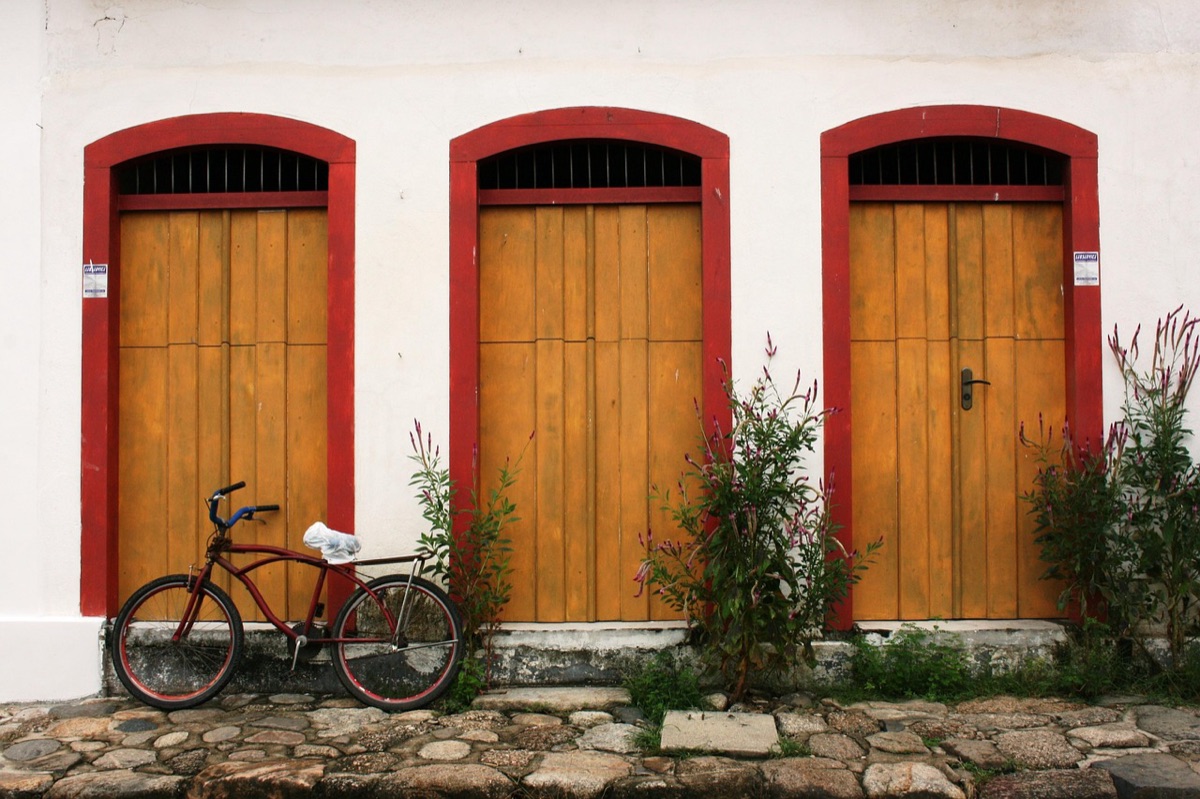
How do I navigate the perfect Taipa walk? I stood at a fork in a narrow alley, checking a paper map against the sudden burst of color from a nearby flower stall, wondering which turn would lead to the best view. The choice between a grand boulevard and a tiny, winding lane is the constant rhythm of a Taipa walk.
To make the most of your visit, follow a structured route that moves from the historical core toward the more relaxed coastal vibes.
- Start at Taipa Houses-Museum: Begin your morning at these colonial-style villas. The greenery provides a cool atmosphere and an excellent introduction to the era's architectural style.
- Enter the Village Core: Walk toward the center of the village where the streets narrowest. This is where you will find the most authentic density.
- Explore the Side Alleys: Do not follow a rigid line. Instead, look for intersections that lead to small, hidden plazas or traditional family-run shops.
- End at the Waterfront: Conclude your walk by heading toward the docks to catch the sea breeze as the sun begins to set.
A deep, immersive walk through these alleys typically takes two to three hours, but you should pace yourself. The heat can be significant, so plan to spend time in shaded corridors or small cafes.
If you follow the path correctly, you will eventually find yourself hungry for the flavors that define this place.
How can I taste the echoes of Macao's past? The smell of toasted sugar and warm egg custard wafted through a side street, pulling me toward a small shop where a line of locals waited patiently. It was a sensory reminder that in Taipa, food is the primary language of culture.
The culinary scene in Taipa is the ultimate expression of Macanese identity. Macanese cuisine is a unique fusion resulting from the marriage of Portuguese ingredients and Chinese cooking techniques. This "East meets West" flavor profile is found in everything from savory stews to sweet pastries.
When you walk through the village, you will encounter various food stops. For a quick snack, look for traditional egg tarts with flaky, laminated crusts—a staple that bridges the gap between European pastry and local tastes.
In 2026, you can still find these for roughly 12 to 18 HKD per piece in the smaller shops.
For a more substantial meal, seek out restaurants serving Macanese specialties like African Chicken or Minchi. These dishes use ingredients like coconut milk, chilies, and soy sauce in ways that you won't find in Lisbon or Beijing, but only here.
Avoid the large, flashy restaurants directly on the main tourist drags if you want an authentic experience; instead, duck into the smaller, family-run establishments tucked into the side streets.
But getting to these hidden gems requires knowing how to handle the logistics of the region.
Planning Your Visit: Logistics from Hong Kong
I sat in the lounge of the ferry terminal, watching the massive white hulls of the boats glide through the water, wondering if the bus or the boat would be the faster way to reach the docks. The logistics of getting to Macao can feel overwhelming without a clear plan.
According to World Bank data, Macau recorded international tourist arrivals of 5,897,000 in 2020.
Most travelers arrive from Hong Kong, and you generally have two primary choices: the ferry or the HZM Bridge bus. The ferry is a classic choice, dropping you directly at the Macau Outer Harbour or Taipa Ferry Terminal, making it very easy to reach Taiba Village directly.
The HZM Bridge is a modern marvel that connects Hong Kong to Zhuhai, but it requires an additional bus or taxi ride to reach the Taipa area.
| Method | Pros | Cons |
|---|---|---|
| Ferry | Direct access to Taipa Ferry Terminal | Can be expensive; subject to sea conditions |
| HZM Bus | Often faster and more modern | Requires extra transit to reach the village |
| Local Shuttle | Very cheap and frequent | Can be crowded; follows specific routes |
For those staying in the Cotai area, utilizing the free hotel shuttles is a highly effective way to move between the massive resorts and the historical districts. Always check the shuttle schedules, as they are designed to move large volumes of people efficiently.
While the logistics are straightforward, there is more to the experience than just getting there.
Beyond the Walk: Enhancing Your Macao Experience
The sun began to dip below the horizon, casting long, golden shadows across the cobblestones, and I realized that the walk was only one part of a much larger story. The transition from day to night in Taipa is a beautiful sight.
While Taipa Village is a destination in itself, you can easily pair it with other parts of Macao. If you have a full day, you might head to the Macau Peninsula to see the Ruins of St. Paul's or the Senado Square.
However, if you want to keep the focus on the islands, a trip to Coloane Village offers a quieter, more pastoral version of the Macanese lifestyle. In 2026, the contrast between the high-energy Cotai Strip and the quiet streets of Coloane remains one of the region's greatest draws.
Keep in mind that while you are in the region, you will deal with two currencies: the Macanese Pataca and the Hong Kong Dollar (HKD). In most places, including Taipa, HKD is widely accepted at a 1:1 ratio, but you may receive change in Pataca.
It is helpful to keep small denominations of local currency for smaller shops and street food stalls.






Comments 0